автордың кітабын онлайн тегін оқу The Code of Hammurabi (Illustrated)
THE CODE OF HAMMURABI
The Oldest Code of Laws in the World by Hammurabi, King of Babylon B.C. 2285-2242
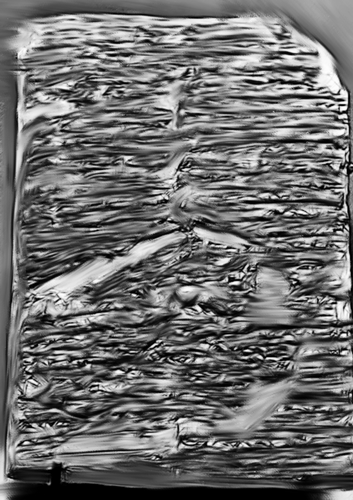
The Code of Hammurabi is a well-preserved Babylonian code of law of ancient Mesopotamia, developed during reigning Hammurabi from c. 1792 BC to c. 1750 BC (according to the Middle Chronology) of the 1st dynasty of Babylon.
It is one of the oldest deciphered writings of significant length in the world.
These 282 case laws include economic provisions (prices, tariffs, trade, and commerce), family law (marriage and divorce), as well as criminal law (assault, theft) and civil law (slavery, debt). Penalties varied according to the status of the offenders and the circumstances of the offenses.
One of the best known laws from Hammurabi's code was “eye for an eye” law:
§196. If a man has caused the loss of a gentleman’s eye, his eye one shall cause to be lost.
TRANSLATED by C. H. W. JOHNS, M.A.
THE TEXT OF THE CODE
§ 1. If a man weave a spell and put a ban upon a man, and has not justified himself, he that wove the spell upon him shall be put to death.
§ 2. If a man has put a spell upon a man, and has not justified himself, he upon whom the spell is laid shall go to the holy river, he shall plunge into the holy river, and if the holy river overcome him, he who wove the spell upon him shall take to himself his house. If the holy river makes that man to be innocent, and has saved him, he who laid the spell upon him shall be put to death. He who plunged into the holy river shall take to himself the house of him who wove the spell upon him.
§ 3. If a man, in a case pending judgement, has uttered threats against the witnesses, or has not justified the word that he has spoken, if that case be a capital suit, that man shall be put to death.
§ 4. If he has offered corn or money to the witnesses, he shall himself bear the sentence of that case.
§ 5. If a judge has judged a judgement, decided a decision, granted a sealed sentence, and afterwards has altered his judgement, that judge, for the alteration of the judgement that he judged, one shall put him to account, and he shall pay twelvefold the penalty which was in the said judgement, and in the assembly one shall expel him from his judgement seat, and he shall not return, and with the judges at a judgement he shall not take his seat.
§ 6. If a man has stolen the goods of temple or palace, that man shall be killed, and he who has received the stolen thing from his hand shall be put to death.
§ 7. If a man has bought silver, gold, manservant or maidservant, ox or sheep or ass, or anything whatever its name, from the hand of a man’s son, or of a man’s slave, without witness and bonds, or has received the same on deposit, that man has acted the thief, he shall be put to death.
§ 8. If a man has stolen ox or sheep or ass, or pig, or ship, whether from the temple or the palace, he shall pay thirtyfold. If he be a poor man, he shall render tenfold. If the thief has nought to pay, he shall be put to death.
§ 9. If a man who has lost something of his, something of his that is lost has been seized in the hand of a man, the man in who