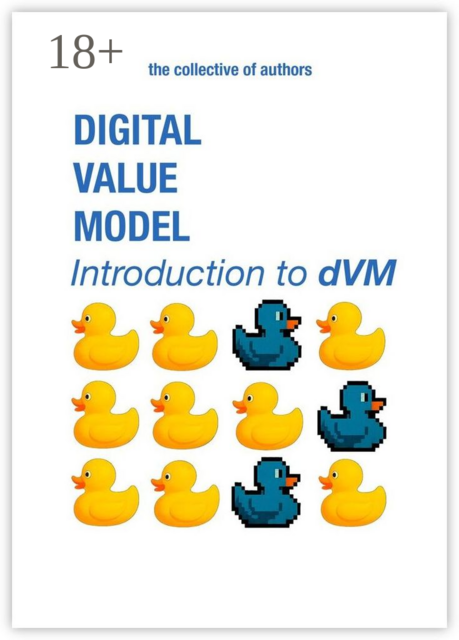
Introduction to dVM
Dynamic Value Model: A New Operating System for Modern Teams
In the world of project management, methodologies abound — each with its own strengths and blind spots. Some champion agility, others swear by structure.
Agile, Scrum, Kanban, Lean, XP — all promise adaptation, efficiency, and waste reduction.
Waterfall, CPM, CCPM — offer predictability for those who plan years ahead and march through phases with military precision.
But what if both approaches have limits?
What happens when Agile descends into chaos, and Waterfall drowns in bureaucracy?
Meet dVM — Digital Value Model.
This is not just another methodology.
It’s a practical operating system for teams that value results over rituals, outcomes over optics, and real value over process theater.
dVM absorbs the best of both agile and waterfall worlds — with one critical rule:
If it blocks progress, it goes to the trash.
No exceptions.
A Brief (and Slightly Embarrassing) Origin Story
The first version of dVM was called Degeneracy Vegetables Model — purely for laughs.
But when analysts, DevOps engineers, team leads, QA specialists, UX designers, and other guardians of product sanity realized they had stumbled upon a universal framework, it was time to get serious.
What began as a joke became a survival kit for teams drowning in stand-ups, retrospectives, and Jira tickets that go nowhere.
Today, dVM is a proven tool that moves teams forward — without unnecessary ceremonies, pointless meetings, or the illusion of productivity.
What Does dVM Deliver?
✔ Balance — between Agile’s chaos and Waterfall’s rigidity
✔ Focus — on value, not process masturbation
✔ Flexibility where it matters, structure where it counts
✔ Real metrics and clear success criteria — no vanity KPIs
In this guide, we’ll unpack the core principles of dVM and show why it’s not just an alternative — it’s the next level of project leadership.
The dVM Mindset
dVM is built for a world where:
— Deadlines float.
— Tasks vanish.
— Products emerge from chaos.
— And the only constant is change.
It’s not about doing things perfectly.
It’s about cutting the noise, killing the waste, and delivering what actually matters — fast.
Welcome to the future of work.
Welcome to dVM.
Core Principles of dVM
Vibe Is Everything
In dVM, vibe is the leading indicator of success.
If the atmosphere is stale, the project is already dead — no matter how perfect the roadmap or how aggressive the deadline.
Team morale is more important than frameworks, ceremonies, or even deliverables.
Because no process can save a team that has lost its will to move.
“If the vibe is off, nothing else matters.”
Iteration for the Sake of It? Go to Hell
dVM rejects ritualistic iteration — the kind of sprinting in place that passes for progress in many Agile teams.
We don’t iterate to feel productive.
We iterate to move forward.
If a task doesn’t push value, speed, or clarity — it’s not just low priority.
It’s waste.
And waste goes straight into the bin.
If You Didn’t Hide — You’re the One to Blame
Change is constant.
Markets shift.
Requirements mutate.
Clients change their minds — again.
In dVM, there’s no time for excuses.
You either adapt — or you end up cleaning the backlog of eternity.
Survival belongs to the agile, not the complacent.
Agile Purists, Step Out
Methodologies without soul are just process masturbation.
Endless retrospectives.
Jira tickets that live forever.
Stand-ups that solve nothing.
dVM doesn’t need rituals.
It needs motion.
Decisions are made in real conversations — not in soulless reports.
Ideas are challenged — not worshipped.
“Is this bullshit?”
That’s the first question every idea must answer.
And if the answer is yes — kill it.
Before it kills the project.