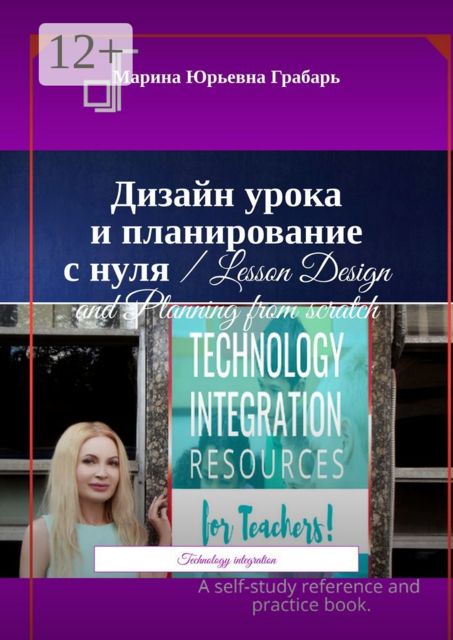



Онлайн кітапты тегін оқу Дизайн урока и планирование с нуля / Lesson Design and Planning from scratch. Technology integration
Дизайн урока и планирование с нуля / Lesson Design and Planning from scratch
Technology integration
Contents
- Дизайн урока и планирование с нуля / Lesson Design and Planning from scratch
- ПРЕДИСЛОВИЕ
- Почему появилась эта книга
- Acknowledgments
- 1. Writing Instructional Objectives
- Are you fed up with using the same old methods to introduce your lesson topic?
- Topics to Get Your Students Talking — And Topics to Avoid
- You might not believe how many things there are to say about food, but you’ll be surprised. You can discuss their favorite and least favorite food (for lower-level classes), what they have and haven’t tried, the strangest thing they’ve tried, and what they can cook
- Bringing out your phone from back home might be enough to spark a conversation about phones, apps, games etc, perhaps comparing features in your phones or other pieces of technology
- If your students are slow to start talking, inspire them with some of your own photos
- Topics to Avoid
- Their Opinions
- Too Much About Your Country
- Many of your students will ask you questions that seem pretty rude — «How old are you?» «Do you have a boyfriend?» or even «How much do you weigh?»
- It’s probably quite obvious, but discussing salaries and how much things cost can seem a little crude, and make some students feel uncomfortable
- Select Appropriate Materials for your Learners
- Lesson Improvement Tips
- 1) Think Outside (No Box Required)
- 2) Start at the Test (And Work Your Way Back)
- 3) Keep the Bigger Picture in Mind
- 4) Stay Flexible
- 5) What Would You Do?
- Start your projects. Practice Lab 1
- Reading
- Listening
- What I learned…
- Your course
- STEM
- List the title
- Common Questions
- Lesson Plan. Reading/Writing Lesson
- Lesson Plan. Listening/ Speaking Lesson
- My Topic: Exploring Social Issues
- Teacher`s `book «Business Result Advanced — OUP — Oxford University Press (10)»
- Lesson Plan. STEM Lesson
- My Sample 1
- Dreaming. Developing Myself
- My Sample 2
- Knowledge
- APPLICATION listen for specific information EVALUATION
- My Sample 3. Course, Teacher`s Book. But
- My Sample 4. STEM Lesson __ Addressing
- Bloom’s Taxonomy Action Verbs
- 2. Warm-Up Activities
- Without Technology
- Warm-up activities using technology
- Practice Lab 2. Create your warm-ups
- Steps
- What Makes a Good
- My Sample 1 Warm-Ups without Technology
- Then think what technology would be most appropriate
- My Sample 2 Warm-Ups without Technology
- Then think what technology would be most appropriate.
- My Sample 3. Warm-Ups without Technology
- Then think what technology would be most appropriate
- My Sample 4 Warm-Ups without Technology
- Then think what technology would be most appropriate
- 3 Objective Discussion
- OBJECTIVE DISCUSSION. WAYS TO INTRODUCE YOUR LESSON TOPIC Using an anecdote
- Cuisenaire Rods model
- The Musical «Guess the topic»
- Family fortunes
- Picture parts
- Complete the sentence
- What are they saying?
- Classic «Find someone who…» mingle
- Slow reveal…
- Realia
- What happens next?
- Use authentic listening
- Make your own audio
- Boggle guess the word
- Matching quiz
- Complete the dialogue (similar to «what are they saying’!)
- Practice Lab 3. Objective Discussion
- My Sample 1 Reading/Writing Lesson
- Without Technology
- I choose technology based on the themes and skills
- My Sample 2 Listening/ Speaking Lesson
- Without Technology
- Using an interactive simulator
- My Sample 3 Teacher`s `book “_Business Result Advanced — OUP — Oxford University Press___ (10) _____________»
- Without Technology
- Find Technology
- My Sample 4. STEM Lesson
- Without Technology
- Curriculum and Technology must be aligned. Add technology.
- 4 Instruct and Model
- QAIT MODEL
- Quality of Instruction
- Instruction takes time
- Model
- Professional samples
- Practice Lab 4. Check Yourself
- 5. Visual Reading
- Activity: Artistic Response — Visual Art
- ShowMe
- Activity: Gallery Images
- Toontastic
- Activity: Guided Imagery
- Pearltrees
- Activity: Story Wheel
- TimeGlider
- Activity: Think Aloud
- Videolicious
- Use Technology to Build Vocabulary
- Vocabulary Games and Vocabulary
- Two popular free online dictionaries/thesauri
- Free online content, including articles and media about current events
- Practice Lab 5
- The 80/20 rule
- Think outside the box
- Guided Practice
- Independent Practice
- Reading/Writing Lesson
- Instruct and Model
- Consider the following questions
- Create your poll questions
- Less Guided Practice
- DRAW A CARTOON
- 6. Writing RAFT
- Why use RAFT?
- Flipping the Grammar and Writing Component of Your English Classroom
- Practice Lab 6
- Instruct and Model
- Guided Practice
- Independent Practice
- Reading/Writing Lesson
- Independent Practice
- Activity 2. Writing
- Jigsaw Writing can be used
- Storyboard That’s online Storyboard Creator makes amazing visuals and graphic organizers for digital storytelling Public Forum Group
- Independent Practice
- 7 Assessment
- WHY FORMATIVE ASSESSMENT MAKES BETTER TEACHERS
- Formative is another tool
- Live Quiz Games
- Nearpod
- Formative Assessment With Videos
- Seesaw, a teacher can listen to and give feedback
- For verbal questions
- For quick quizzes
- Rubric
- Team Rubrics
- Project Rubrics
- Blog Post Ideas for Students
- My Sample 1. Reading/Writing Lesson
- Feedback and self-improvement through commenting
- A Rubric for Evaluating Student Blogs
- Quality of Writing Written responses and Proofreading grammatical, spelling or punctuation criterion: errors
- Practice Lab 7. Formative assessment
- Design just the right assessment
- — Way Summaries
- Ideas for quick projects
- 8 Listening
- Steps in guided metacognitive sequence in a listening lesson from Goh and Yusnita (2006)
- The Web that helps enhance language learning
- My Sample 2. Listening/ Speaking Lesson
- Instruct and Model (Activity 1) Listening
- Guided Practice
- Monitoring by walking around
- Work in pairs: Discussion
- Independent Practice
- Practice Lab 8. Listening Lesson
- The 3 Stages of a Listening Lessons are
- Choose Listening Materials
- Interest Factor
- Delivery
- Pre-Listening Activities
- While-Listening Activities
- Listen for main ideas
- Listen for details
- Making inferences
- Correct the errors
- Gapfill
- Definitions
- Multiple Choice
- Bingo
- Post-Listening Activities
- My example. Listening class. Fashion
- Rubric ASSIGNMENT &
- PRESENTATION
- 9. Speaking
- Think-Pair-Share
- How to use think-pair-share
- Practical cases
- Prompts for conversational classes
- Practice Lab 9
- Listening/ Speaking Lesson. My Sample 2
- Instruct and Model
- CASE STUDY 1
- Performance
- Assessment
- Practice Lab 9
- 10. SAMR
- Lesson: Writing a Short Paper
- Lesson: Understanding Shakespeare
- Lesson: Phys Ed — Learning To Hit a Baseball Well
- My Sample 3 — OUP — Oxford University Press (10)»
- Original Lesson
- SAMR
- Original Book
- SAMR
- SAMR
- Student`s book Original
- SAMR. Guided Practice
- SAMR. Independent Practice
- SPOT THE DIFFERENCE
- Activity 2 MY VARIANT. SAMR
- Practice Lab 10
- SAMR
- Your SAMR
- Substitution, Augmentation, Modification, and Redefinition. keys
- 11. STEM
- Ways to Take CREATIVE ACTION in Your Classroom
- The STEM Projects Toolkitwas produced by the British Science Association and written by Linda Scott
- STEM Lesson Addressing Social Issues through Art My Sample 4
- STUDENT ARTWORK
- How do Project Grants work?
- DEFINITIONS
- Steps
- Activity 1. Art as Social Research / Listening / Self-care The Arts For Social Change
- Consider these questions
- Independent Practice Writing prompt
- Project Grants
- How do Project Grants work?
- Project Grant. Plan your project budget
- Assessment
- Social Practice Studio
- Toolbox
- My Example. “_Business Result Advanced —
- My Sample 3 WORKING WITH WORDS
- Definitions Word Search Puzzle
- Definitions Matching
- Definitions Quiz
- Games For Online Practice
- Colours — Interactive Vocabulary Games
- Numbers — Interactive Vocabulary Games
- Communicative Grammar with Tech
- Digital tools to plan, share, and curate learning
- Videolicious
- VoiceThread
- Xtranormal
- Run your personal brand!
- Sample 1.Reading/Writing Lesson
- Lesson Objectives
- Business/Materials
- Warm-up
- Objective Discussion
- Instruct and Model
- Work in groups of three
- Independent Practice
- Assessment
- Feedback and self-improvement through commenting
- My Sample 2. Listening/ Speaking Lesson
- Lesson Objectives
- Business/Materials
- Warm-Up
- Objective Discussion
- Guided Practice
- Activity 2. Speaking
- Assessment
- Yana Marull
- My Sample 3.Teacher`s Book SAMR
- Lesson Objectives
- Business/Materials
- Warm-up
- Objective Discussion
- Activity 1
- 4 — Instruct and Model
- Activity 2
- DISCUSSION POINTS
- Assessment
- BookTrack Classroom
- Sample 4.STEM Project. Addressing Social Issues through Art
- Lesson Objectives
- Business/Materials
- Warm-up
- Objective Discussion
- Instruct and Model
- Explore the outstanding works Enrico Castellani
- Activity 2.Project Grants
- Project Grant. Plan your project budget
- Assessment
- ART. SPACES
- Weekly Lesson Plan. Example
- Course Outline. Example
- Teacher Helpers. Online Course
- Course Outline
- Example.Language Coaching
- Table 2. Color Semantics
- ABOUT THE AUTHOR
ПРЕДИСЛОВИЕ
With answers and Practice Labs.
Почему появилась эта книга
Нелегко объяснить, что та педагогика была адекватна и людям, и целям, и миру, который был 50 лет назад. И что так сегодня учить человека, чтобы он был успешен через 20 лет — не получится. Поэтому и появилась эта книга.
Acknowledgments
* Images. By complying with the terms of the Creative Commons License chosen by the copyright holder you can safely use the image. Images licensed under Creative Commons are easily located. Google offers a tool to Find Creative Commons Images in Google Images
1. Writing Instructional Objectives

Are you fed up with using the same old methods to introduce your lesson topic?

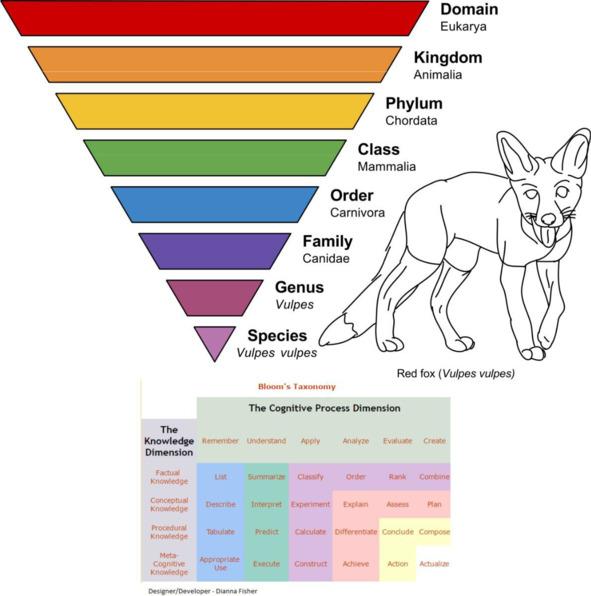
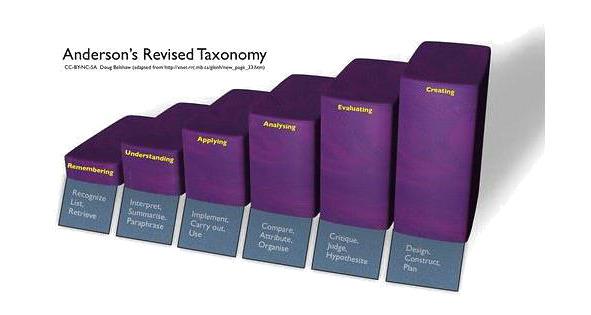
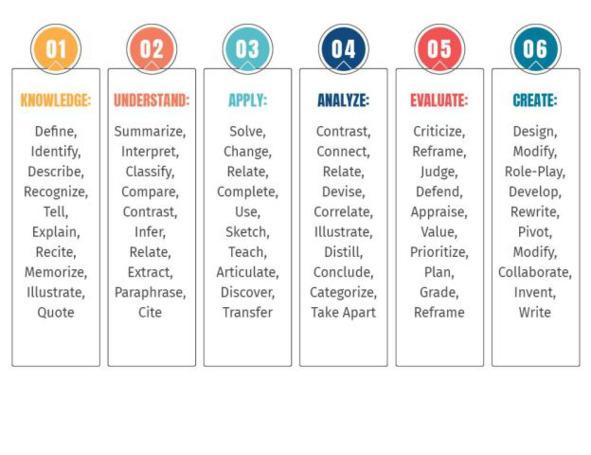
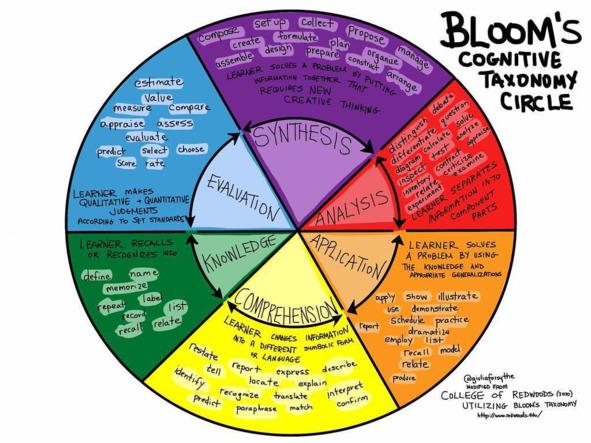
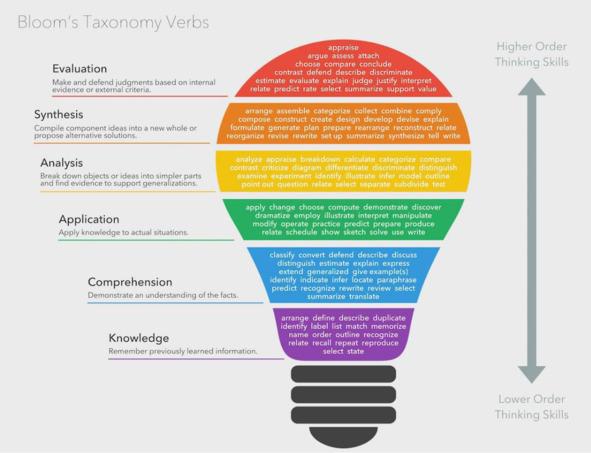
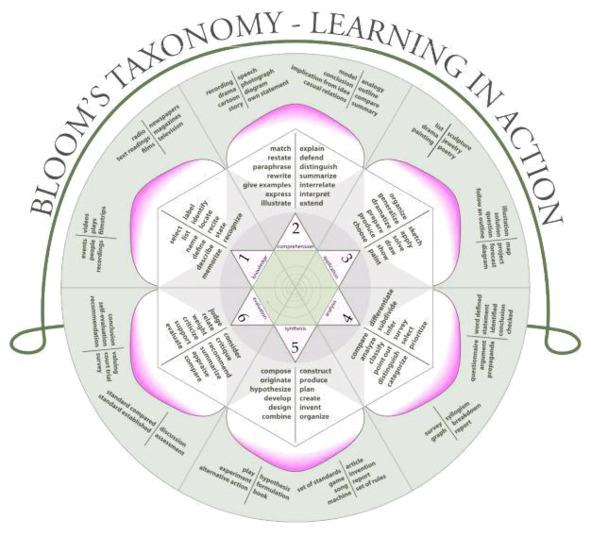
— Making minor adjustments in physical activity in order to perfect it. The skill is perfected.
Topics to Get Your Students Talking — And Topics to Avoid

You might not believe how many things there are to say about food, but you’ll be surprised. You can discuss their favorite and least favorite food (for lower-level classes), what they have and haven’t tried, the strangest thing they’ve tried, and what they can cook


Bringing out your phone from back home might be enough to spark a conversation about phones, apps, games etc, perhaps comparing features in your phones or other pieces of technology

If your students are slow to start talking, inspire them with some of your own photos

Challenge their English by getting them to describe what they see in the pictures, and let them guess where it is. Some students will warm up by asking you questions about your travels, and in turn, you can ask about where they have traveled to, or where they’d like to go. Some students learning English are very passionate about traveling and can regale you with their stories.
Topics to Avoid
Their Opinions

Too Much About Your Country

Many of your students will ask you questions that seem pretty rude — «How old are you?» «Do you have a boyfriend?» or even «How much do you weigh?»

It’s probably quite obvious, but discussing salaries and how much things cost can seem a little crude, and make some students feel uncomfortable


Your lessons should be light-hearted and fun, not heavy and serious. As you get to know your students, you’ll get a better idea of how to get them to talk!