APERTURE |'apətʃə| — это отверстие с переменным диаметром, которое позволяет контролировать количество света, проходящего через объектив
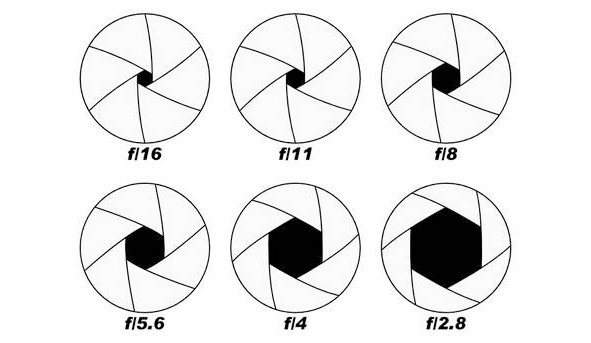
Aperture is the size of the opening in the lens. Think of the lens as a window large windows let in more light, while small windows let in less light. A wide open aperture will let more light into the image for a brighter photo, while a smaller aperture lets in less light.
Aperture is measured in f-stops; a small f-stop like f/1.8 is a wide opening, a large f-stop like f/22 is a very narrow one. Aperture is one of three camera settings that determine an image’s exposure, or how light or dark it is.
Aperture also affects how much of the image is in focus wide apertures result in that creamy, unfocused background while narrow apertures keep more of the image sharp.
relative aperture — а) светосила; б) относительное отверстие
Словосочетания:
to apply aperture compensation — корректировать апертурное искажение
aperture correction — апертурная коррекция
aperture mask — теневая маска
ACCENT LIGHT — точечный акцентирующий свет; направленное освещение; акцентирующий свет. Направленный свет дает на объекте резко выраженные света, тени и в некоторых случаях блики.
The directional lighting, the task of which is to highlight details or the whole object to attract the attention to them.
AL SERVO or CONTINUOUS FOCUS — непрерывный фокус, следящий
AI-Servo tracks focus on moving subjects so as your subject moves closer or moves further away your camera constantly updates focus to keep the subject as sharp as possible.
До тех пор, пока кнопка спуска находится в полунажатии, автофокус непрерывно работает, тем самым удерживая объект в зоне резкости.
ASPECT RATIO — понятие в фотографии, характеризующее формат изображения. Соотноше́ние сторо́н экра́на или Отноше́ние ширины́ ка́дра к высоте́.
If you’ve ever printed images before, you’ve probably noticed that an 8 x 10 usually crops from the original image. That’s due to aspect ratio. Aspect ratio is simply the ratio of the height to width. An 8 x 10 has an equal aspect ratio to a 4 x 5, but a 4 x 7 image is a bit wider.
You can change the aspect ratio in your camera if you know how you’d like to print your image, or you can crop your photo when you edit it to the right ratio.
BACKGROUND LIGHT — фоновый свет
A background light is used to illuminate the background area of a set. The background light will also provide separation between the subject and the background.
Фоновый свет используется для подсветки фоновой области набора. Фоновый свет также обеспечивает разделение между объектом и фоном.
BARN DOORS — шторки. Приспособление, которое крепится к рефлектору и помогает контролировать распространение света.
Barn doors are light modifiers that shape and direct light. They are flexible to use and can create focused light. They also make a variety of shapes.
BOKEH — боке, размытость, нечеткость.
Bokeh is the orbs created when lights are out of focus in an image. It’s a neat effect to have in the background of a photo, created through wide apertures.
BURST MODE — режим серийной съемки
You can take photos one at a time. Or, you can turn the burst mode on and the camera will continue snapping photos as long as you hold the button down, or until the buffer is full (which is a fancy way of saying the camera can’t process any more).
Burst speeds differ based on what camera you own, some are faster than others. Just how fast is written in «fps» or frames (pictures) per second.
BUTTERFLY LIGHTING — освещение «бабочка»
It is a portrait lighting pattern where the key light is placed above and directly centered with a subject’s face. This creates a shadow under the nose that resembles a butterfly.
Вариант фронтального освещения, при котором рисующий свет установлен перед объектом съемки и над ним. Иногда создает тень под носом в форме бабочки.
CONTRAST- контраст. Соотношение уровней яркости самого темного и самого светлого сегмента изображения. Картинка с большим перепадом яркости называется контрастной.
Contrast is a tool that photographers use to direct viewers’ attention to their subject. There are two types: Tonal Contrast and Color Contrast. Tonal Contrast refers to the difference in tones from the lightest tone to the darkest tone, in other words, the difference in tones from white to gray to black.
Color Contrast refers to the way colors interact with each other.
DEPTH OF FIELD — глубина резкости пространственного изображения; объёмность поля зрения
It’s the distance between the nearest and furthest elements in a scene that appear to be «acceptably sharp» in an image. Depth of field is a photography term that refers to how much of the image is in focus. The camera will focus on one distance, but there’s a range of distance in front and behind that point that stays sharp — that’s depth of field.
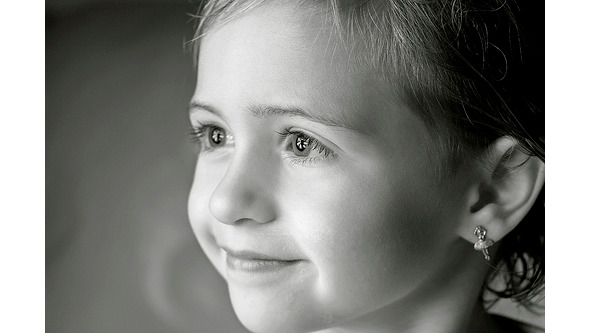
Portraits often have a soft, unfocused background — this is a shallow depth of field.
Это — расстояние вдоль оптической оси объектива между двумя плоскостями в пространстве предметов, в пределах которого объекты отображаются в сопряжённой фокальной плоскости субъективно резко.
На портретах, как правило, задний фон мягкий, вне зоны резкости, что создает глубину кадра.
DIGITAL VS. OPTICAL — цифровой или оптический
Digital and optical are important terms to understand when shopping for a new camera. Digital means the effect is achieved through software, not physical parts of the camera. Optical is always better than digital. These terms are usually used when referring to zoom (on a compact camera) as well as image stabilization.
DIFFUSION REFLECTOR — рассеиватель, рассеивающий рефлектор
It is the way to reflect the light or other waves or particles from a surface such that a ray incident on the surface is scattered at many angles rather than at just one angle as in the case of specular reflection.
Специальное приспособление из полупрозрачной ткани или пластика, служи для изменения параметров светового потока. Проходя сквозь такой рассеиватель, лучи света преломляются под разными углами и расходятся во все стороны. Поверхность такого диффузора превращается в новый источник света, который одновременно освещает объект лучами, приходящими с самых разных направлений, в итоге резкие границы тени размываются, а сами тени становятся мягкими и почти прозрачными.
EXPOSURE — выдержка
Exposure is how light or dark an image is. An image is created when the camera sensor (or film strip) is exposed to light — that’s where the term originates. A dark photo is considered underexposed, or it wasn’t exposed to enough light; a light photo is overexposed or exposed to too much light. Exposure is controlled through aperture, shutter speed and ISO (more on those last two in a bit). Exposure is also subjective — there is no «right» exposure.
Количество света, попадающего на светочувствительный фотоматериал за определенный промежуток времени. Три основных параметра, влияющие на экспозицию, — это чувствительность, выдержка и диафрагма.
EXPOSURE COMPENSATION — коррекция экспозиции, компенсация экспозиции, экспокорре́кция
Exposure compensation is a way to tell the camera that you’d like the exposure to be lighter or darker. Exposure compensation can be used on some automated modes and semi-automated modes like aperture priority. It’s measured in stops of light, with negative numbers resulting in a darker image and positive ones creating a brighter shot.
Принудительное введение поправки в измеренную экспозицию для компенсации ошибок измерения или достижения художественных эффектов.
FOCUS — фокус, фокусироваться
When your eyes focus on an object that’s close to you, the objects far away will appear blurry. The common photography term «focus» has the same meaning. Something that is in focus is sharp, while an object that is out-of-focus isn’t sharp. Different focus areas determine if the camera is focusing on multiple points or one user-selected point.
Словосочетания
to bring smth into focus — навести на резкость, сфокусировать
focus control — регулировка фокуса
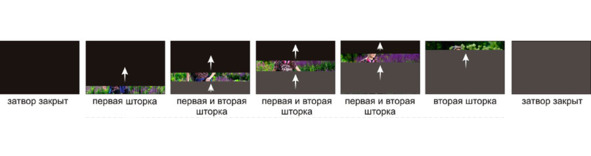
FLASH SYNC — синхронизация фотовспышки, согласование моментов срабатывания фотовспышки и затвора фотоаппарата, необходимое для полноценного экспонирования импульсным освещением фотосенсора. Синхронизация может осуществляться вручную на длительной выдержке, или автоматически.
You probably know that the flash is a burst of light — flash sync determines when the flash fires. Normally, the flash fires at the beginning of the photo, but changing the flash sync mode adjusts when that happens. The rear curtain flash sync mode, for example, fires the flash at the end of the photo instead of the beginning.
FILL LIGHT — заполняющий (выравнивающий) свет.
Этот вид освещения нужен для подсветки теней, появляющихся из-за использования рисующим светом. Выполняется, как правило, при помощи осветительного прибора, установленного около камеры и ниже ее.
A fill light is a light source used to fill in shadows caused by other lights (mainly a key light), but without creating harsh shadows of its own. This is why your fill light should always be diffused. You have several options for a fill light source depending on your budget, the size of your space and the key light modifier you are using.
Fill Light Sources:
Reflectors. This type of modifier is an inexpensive and convenient way of creating another light source. You can use a reflector as an additional light source by bouncing light from another light onto your subject. One of the perks to using a reflector as your fill light is that it does not take up the space that a strobe on a lightstand would — precious space that is needed in a home studio. The downside to using a reflector as a fill light is that they cannot be used with anything that directs light only onto your subject, such as grids and honeycombs, as those leave no light spill to hit your reflector.
Another Strobe. While more expensive and a not-so-portable option, using a strobe for a fill light does have its benefits. Since it doesn’t require another light hitting it to make it a light source, a strobe can be placed anywhere on the set when used for fill. The amount of light desired for fill can be adjusted and said light can be diffused with a variety of modifier choices.
Walls/Ceilings. Your walls and ceilings can act as a large reflector of light bounced from your key or other light source onto your subject. Since it’s such a large light source, the light will be very soft and produce less harsh shadows.
Your Clothing. If you wear lighter colored clothing, the lighter surface color can also become reflective, not much, but it can be noticed.
HAIR LIGHT — подсветка волос.
Этот вариант освещения объекта часто называют «контровым» или контражуром. Для того, чтобы подчеркнуть блеск волос и наилучшим образом выделить объект съемки на используемом фоне, источник света устанавливают позади модели с правой или левой стороны, тщательно следя за тем, чтобы сам он в кадр ни в коем случае не попадал.
A hair light is also a light used for separation, but one that is positioned to only light the top of a subject’s head to create depth in an image.
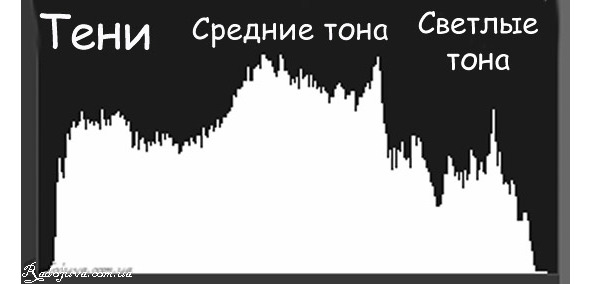
HISTOGRAM- гистограмма, графическое представление различных тонов (данные изображения, цвета и общей яркости), которые содержатся в изображении. Гистограммы очень полезны фотографам для измерения правильной экспозиции для данной ситуации, исходя из того, какой тональный диапазон они хотят захватить.
In photography, a histogram is a chart that depicts how many light and dark pixels are in an image. If the chart peaks towards the left, the image has a lot of dark hues. If the chart peaks to the right, the image has a lot of light hues. If those peaks are cut off at the edges, the image is underexposed (on the left edge) or overexposed (on the right edge). A histogram is something beginners should learn after they have a good understanding of manual modes.
HIGHLIGHT — блик. Участок изображения, как правило, небольшого размера, имеющий максимальную яркость. Его причиной чаще всего бывает зеркальное отражение света.
A highlight is a bright spot in a photograph. Normally it is assumed to be one of the brightest points in the image. Highlights are normally created by a bright or intense illumination or by various forms of diffusion or reflection. Highlights are created by any bright light source.
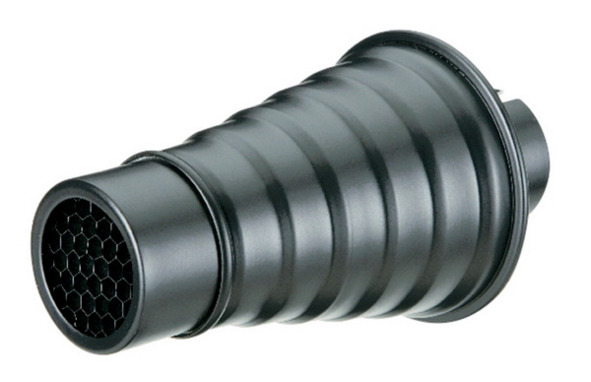
HONEYCOMB GRID — сотовая решетка.
Осветительное приспособление, позволяющее управлять распределением света. Присоединяется к рефлектору. Такая решетка пропускает преимущественно прямые лучи от источника и устраняет наклонные. Сотовая решетка черного цвета поглощает такие лучи, белая отражает их и рассеивает в более широкий поток.
It is a grid that has a honeycomb structure, which aims to cut off the light and make the lighting spot narrower. It is used with reflectors, beauty dishes, soft boxes, snoots and other lighting modifiers. Honeycomb grids are classified by the size of the lighting spot formed by lighting modifier.
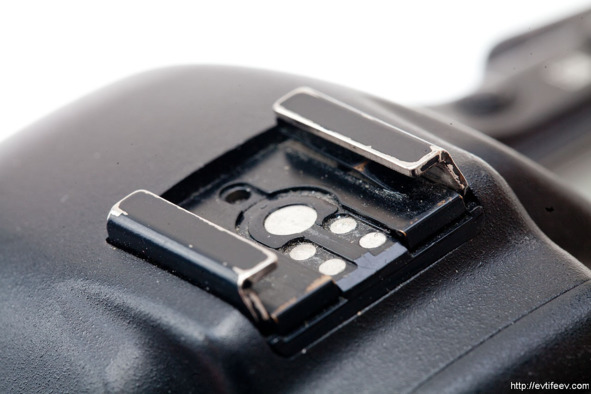
HOT SHOE — разъем на фотоаппарате для электрического присоединения аксессуаров
Hot shoe is the slot at the top of a camera for adding accessories, like the aptly named hot shoe flash. This has nothing to do with footwear, or temperature.
ISO — это светочувствительность фотокамеры к свету. Чем выше ISO, тем выше светочувствительность, тем больше шумов у вас на фотографии.
The ISO determines how sensitive the camera is to light. For example, an ISO of 100 means the camera isn’t very sensitive — great for shooting in the daylight. An ISO 3200 means the camera is very sensitive to light, so you can use that higher ISO for getting shots in low light. The trade off is that images at high ISOs appear to be grainy and have less detail. ISO is balanced with aperture and shutter speed to get a proper exposure.
KEY — ключ. Общая тональность снимка.
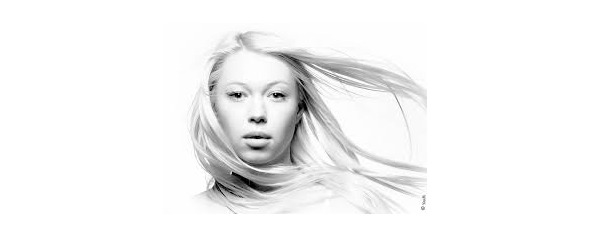
HIGH KEY — Высокий ключ. Изображение, решенное в светлых тонах, причем фон даже ярче самого объекта съемки.
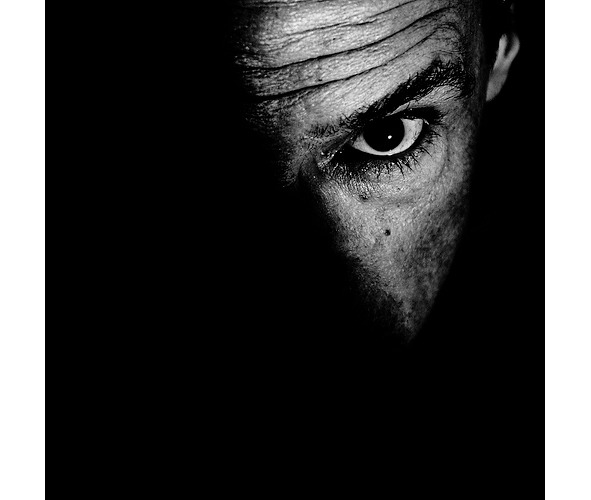
LOW KEY — Низкий ключ. Снимок, выдержанный в темных тонах. Освещение сведено к минимуму, создается большое количество теней, которые обеспечивают глубину и объемность изображения. Отдельные относительно светлые участки выделяют наиболее важные детали.
MID KEY — Средний ключ Общая тональность такого изображения достаточно темная, с участками высокого контраста на фигуре и лице человека.
KEY LIGHT -Рисующий свет. Основной свет в портрете, определяющий характер освещения лица или фигуры.
The key light is the most important light in the range of lights.
LONG EXPOSE- длинная выдержка, длительная выдержка, длительное воздействие, длительная экспозиция
A long exposure is an image that has been exposed for a long time, or uses a long shutter speed. This technique is useful for shooting still objects in low light, or rendering moving objects into an artistic blur. Long exposure night photography can produce some pretty incredible results. For example, this is the technique often used for capturing star trail photography like the image below.
MANUAL-руководство
MANUAL CONTROL/MODE-ручной режим
Manual mode allows the photographer to set the exposure instead of having the camera do it automatically. In manual, you choose the aperture, shutter speed and ISO, and those choices affect how light or dark the image is. Semi-manual modes include aperture priority (where you only choose the aperture), shutter priority (where you only choose the shutter speed) and programed auto (where you choose a combination of aperture and shutter speed together instead of setting them individually). Manual can also refer to manual focus, or focusing yourself instead of using the autofocus.
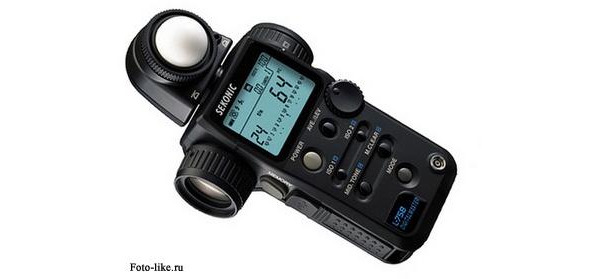
METERING/METER — Экспонометр. Прибор, измеряющий яркость или освещенность объекта съемки при помощи фотоэлектрических приемников света.
Using manual mode isn’t all guesswork — a light meter built into the camera helps guide those decisions, indicating if the camera thinks the image is over or under exposed. Metering is actually based on a middle gray, so having lighter or darker objects in the image can throw the metering off a little bit. Metering modes indicate how the meter is reading the light. Matrix metering means the camera is reading the light from the entire scene. Center-weighted metering considers only what’s at the center of the frame and spot metering measures the light based on where your focus point is.
NOISE- шум
Noise is simply little flecks in an image, also sometimes called grain. Images taken at high ISOs have a lot of noise, so it’s best to use the lowest ISO you can for the amount of light in the scene.
RAW- формат цифровых файлов изображения, содержащий необработанные данные об электрических сигналах с фото матрицы цифрового фотоаппарата. Название англ. Raw, т.е. «сырой» такие файлы получили потому, что они не обработаны.
RAW is a file type that gives the photographer more control over photo editing. RAW is considered a digital negative, where the default JPEG file type has already been processed a bit. RAW requires special software to open, however, while JPEG is more universal.
REFLECTOR — рефлектор. Один из основных типов осветительных аксессуаров, которые крепятся к лампе или вспышке. Параболический (или рефлектор мягкого света, Parabolic reflector) имеет широкую отражающую тарелку заданной формы и отражает мягкий ровный поток света. Рефлектор рисующего света (Key-light reflector) меньше и дает более резкие тени.
It is a specialised reflective surface used to redirect light towards a given subject.