My Voice, My Truth: Speaking Honestly in a World That Often Silences Us
Қосымшада ыңғайлырақҚосымшаны жүктеуге арналған QRRuStore · Samsung Galaxy Store
Huawei AppGallery · Xiaomi GetApps

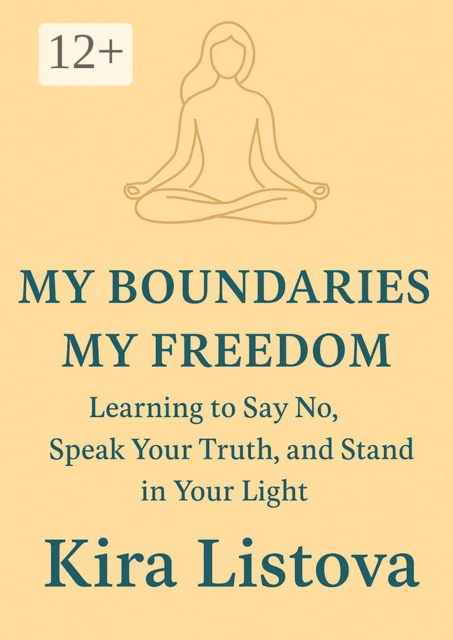
автордың кітабын онлайн тегін оқу  My Voice, My Truth: Speaking Honestly in a World That Often Silences Us

Kira Listova

My Voice, My Truth: Speaking Honestly in a World That Often Silences Us


Contents

{} Introduction — You Were Never Meant to Stay Silent

There is a voice inside you that remembers who you are.

It knows what you love.

It knows what hurts.

It knows what’s true — even if you’ve never said it out loud.

But somewhere along the way, you learned to stay quiet.

To please.

To perform.

To be acceptable, agreeable, soft in the wrong ways.

You learned that being heard might cost you.

That honesty could push people away.

That being fully seen might be too dangerous.

So you swallowed your truth.

You smiled through discomfort.

You nodded when you wanted to cry.

You said “I’m fine” when your body said otherwise.


But let me remind you of something:

You were never meant to stay silent.

You were meant to live in your full expression.

You were meant to speak — not just to be understood,

but to be yourself.

This book is not about yelling.

It’s not about becoming louder than everyone else.

It’s about learning to tell the truth with love.

About letting your voice come from your body,

not your fear.

About becoming someone who trusts what they feel —
and honors it in words.

Your voice doesn’t have to be perfect.

It just has to be yours.

Welcome back to your truth.

Welcome home to your voice.

With tenderness,

Kira

{} Chapter 1: The Fear of Being Too Much

There’s a fear many of us carry — quietly, constantly:

“If I show all of me, I will be too much.”

Too emotional.

Too intense.

Too needy.

Too sensitive.

Too strong.

Too loud.

Too honest.

Somewhere along the way, you were taught to dim your light to be loved.

Not directly — but subtly.

Through raised eyebrows.

Withheld approval.

Tight smiles.

Or silence that followed your truth.

{} So you learned to edit yourself

— To shrink your feelings

— To censor your voice

— To smile when something hurt

— To stay agreeable, even when your heart was screaming

It was never about lying —

It was about survival.

You needed connection.

And if softening your voice or muting your needs helped you stay safe,

of course you did it.

{易} But here’s the truth

You were never too much.

You were just too honest for a world that teaches us to hide.

Too open for those who fear their own vulnerability.

Too whole for systems that benefit from our smallness.

Your truth was never the problem.

Their discomfort was.

{✨} The beginning of freedom

Let yourself take up space again.

Let your feelings be full.

Let your truth be spoken — even if it trembles.

Even if it’s not perfect.

Even if it’s not welcome everywhere.

You don’t need to be everyone’s version of “enough.”

You just need to be your own.

{爵} Try this

Close your eyes and whisper:

“I am not too much. I am just enough of me.”

Say it again.

Say it slowly.

Say it until your body starts to believe it.

{}{️} Chapter 2: How We Learned to Stay Silent

You weren’t born quiet.

You were born expressive — full of sound, sensation, and truth.

You cried when you were hungry.

You laughed when you felt joy.

You reached out, reached up, reached forward — without fear.

But slowly, the world taught you to be careful with your voice.

To weigh your words.

To second-guess your instincts.

To ask:

“Is it safe to speak here?”

{易} You learned silence through

— Being ignored when you spoke from emotion

— Being praised for being “low maintenance”

— Watching others get punished for honesty

— Being told to “calm down,” “be nice,” or “don’t overreact”

— Feeling responsible for how others responded to your truth

So you made yourself smaller.

Quieter.

Simpler.

More acceptable.

{} But silence has a cost

When you mute your truth, you disconnect from yourself.

You stop trusting your own feelings.

You begin to rely on others to tell you what’s true for you.

And after enough years of silence,

you may forget what your voice even sounds like.

{✨} The truth is:

Your voice didn’t disappear.

It just went underground.

It’s still there — waiting for your permission to rise again.

And it doesn’t need to come back all at once.

It just needs one word, one breath, one honest sentence at a time.

{爵} Try this

Journal prompt:

“The first time I remember silencing myself was…”

Write freely.

Then write this:

“But now, I am learning to speak again.”

This is how your voice returns — gently, fully, truthfully.

{} Chapter 3: The Pain of Performing

There’s a version of you the world rewards.

Polite. Predictable. Pleasant.

Smiling. Helpful. Controlled.

You’ve learned to perform that version well.

Not because you’re fake —

but because you’re surviving.

You’ve learned that being “liked” is safer than being honest.

That pleasing others often costs less than being fully seen.

That hiding your edges might hurt less than having them rejected.

{} But performance has a price

— You become exhausted trying to be everything

— You feel disconnected from what you actually want

— You wonder if people love the “real” you — or the version you’ve curated

— You stop trusting your instincts in favor of other people’s expectations

You’re always “on,” but never fully alive.

And worst of all —

you may look successful on the outside

while slowly disappearing on the inside.

{易} You weren’t made to perform. You were made to be.

To be soft and strong.

To be joyful and angry.

To be uncertain and still worthy of love.

You don’t need to earn belonging.

You already belong — to yourself.

{✨} Let the performance drop

Not all at once.

Not in rebellion.

But gently, breath by breath.

Let the mask slip.

Let your eyes tell the truth.

Let your voice shake if it must — it’s still yours.

{爵} Try this

Write a letter to your “performing self.”

Thank them for trying to protect you.

Then whisper to yourself:

“I don’t have to perform to be loved. I am enough when I am real.”

{} Chapter 4: What You’ve Been Swallowing

Every time you didn’t say what you needed to…

it stayed.

Every truth you softened,

every feeling you minimized,

every “I’m fine” when you weren’t —

it didn’t disappear.

You carried it.

In your body.

In your breath.

In the tightness in your chest and the clench in your jaw.

{} Swallowed truths don’t dissolve — they build

— Into resentment

— Into anxiety

— Into exhaustion

— Into numbness

You smile, but something aches.

You agree, but something twists.

You keep peace on the outside while your insides scream.

This is what happens when truth is trapped.

{易} Why we swallow truth

— We’re afraid of being misunderstood

— We don’t want to cause conflict

— We feel like our feelings are “too much”

— We’ve been punished for honesty before

But your truth doesn’t need to be swallowed.

It needs to be spoken — gently, safely, in your own way.

{✨} Let your truth move

You don’t need to say it perfectly.

You don’t need to say it all today.

You just need to stop holding it in.

Truth is energy.

And it needs space to breathe.

{爵} Try this

Take a deep breath.

Exhale slowly.

Whisper:

“I don’t have to hold it all anymore.”

Then write one sentence you’ve never said out loud.

Let it exist. Let it breathe.

{} Chapter 5: Listening to What You Really Feel

Before you can speak your truth,

you have to know what it is.

And before you can know what it is,

you have to get quiet enough to feel it.

Not what’s expected.

Not what’s polite.

Not what’s safe or pleasing or convenient.

But what’s real.

{易} Most of us don’t struggle to express — we struggle to access

We’ve spent so long filtering our feelings through other people’s needs,

we forget to ask ourselves:

“What do I really feel beneath all of this?”

The anger behind the smile.

The grief behind the “I’m fine.”

The truth behind the performance.

It’s all there — waiting.

{} Learning to listen inward

— Create quiet spaces with no agenda

— Notice the difference between instinct and overthinking

— Ask yourself softly: “What do I know, but haven’t admitted yet?”

— Pay attention to the sensations in your body — they often speak first

Your voice lives deeper than your words.

It lives in sensation, emotion, and awareness.

{✨} You don’t need to have perfect clarity to begin

You just need to notice.

And trust that your truth will rise

when it finally feels welcome.

{爵} Try this

Close your eyes.

Place your hand over your heart.

Ask:

“What am I really feeling right now?”

Don’t judge the answer.

Don’t rush it.

Just listen — like you’re meeting yourself for the first time.