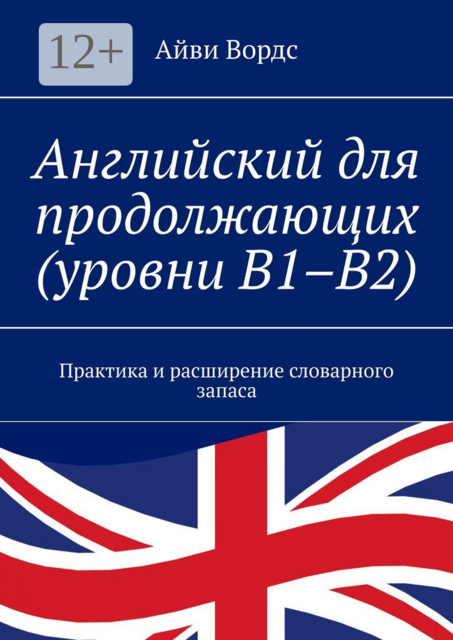
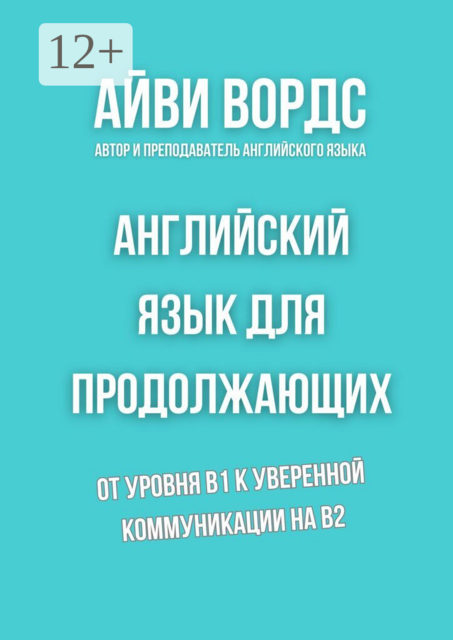
Тренажер английской грамматики. Английский для продолжающих взрослых
Қосымшада ыңғайлырақҚосымшаны жүктеуге арналған QRRuStore · Samsung Galaxy Store
Huawei AppGallery · Xiaomi GetApps

автордың кітабын онлайн тегін оқу  Тренажер английской грамматики. Английский для продолжающих взрослых

Айви Вордс

Тренажер английской грамматики

Английский для продолжающих взрослых


12+

Оглавление

Предисловие

Уважаемые читатели,


С большим удовольствием представляю вам эту книгу, созданную специально для взрослых изучающих английский язык, которые хотят продолжить совершенствование своих навыков. Материал книги сосредоточен на практической грамматике, лексике и употреблении языка, актуальном для повседневной жизни и профессиональной деятельности. Моя цель — предоставить учащимся четкие объяснения, структурированные примеры и упражнения, которые способствуют регулярной практике и закреплению знаний.


Каждая глава включает грамматический блок, иллюстративную историю, полезные слова и выражения, а также упражнения с полными ответами. Такой подход позволяет активно работать с языком, понимать грамматические конструкции в контексте и применять их в реальных ситуациях. Особое внимание уделено лексике и выражениям, с которыми взрослые чаще всего сталкиваются в повседневном общении, работе, путешествиях и социальных ситуациях.


Книга отличается ясностью изложения, доступностью и академической строгостью, сохраняя при этом дружелюбный и понятный тон. Она предназначена для самостоятельного изучения, но может использоваться и в классе. Упражнения стимулируют учащихся размышлять о личном опыте, что повышает понимание и закрепление материала.


Я надеюсь, что эта книга станет надежным инструментом в вашем изучении английского языка, поможет повысить уверенность в общении и предоставит практические средства для эффективной коммуникации. Регулярное изучение материала и постоянная практика приведут к ощутимым результатам в освоении языка.

Present Simple — Daily Routines and Habits

Grammar Focus: Present Simple

Present Simple используется для выражения регулярных действий, привычек, общеизвестных фактов и расписаний.


Примеры:


I wake up at 7 a.m. every day. — Я просыпаюсь в 7 утра каждый день.


She drinks coffee every morning. — Она пьёт кофе каждое утро.


We usually go for a walk in the evening. — Обычно мы ходим на прогулку вечером.


The shop opens at 9 a.m. — Магазин открывается в 9 утра.


He doesn’t like chocolate. — Он не любит шоколад.


Do you read before bed? — Ты читаешь перед сном?


Правила:


Для 3-го лица единственного числа добавляется -s / -es: he/she/it works, goes, watches.


В вопросах и отрицаниях используется do / does:


I/You/We/They do not (don’t)…


He/She/It does not (doesn’t)…


Наречия частоты: always, usually, often, sometimes, never — ставятся перед глаголом, но после to be.


Советы по запоминанию:


Для 3-го лица всегда проверяй, добавляется ли -s / -es.


Используй привычные действия из своей жизни для практики.

Story

Every morning, Anna wakes up at 6:30. She brushes her teeth and makes a cup of coffee. After breakfast, she takes a shower and gets dressed. Then she leaves the house and walks to the bus stop. She works in an office near the city center.

Anna usually starts her work at 9 a.m. She checks her emails and prepares reports. At lunchtime, she eats with her colleagues in the cafeteria. In the afternoon, she attends meetings and answers phone calls. She often drinks tea at 3 p.m.


After work, Anna goes to the gym or meets her friends. In the evening, she cooks dinner and watches TV. Sometimes she reads a book before bed. She always goes to sleep at 10:30 p.m.


Anna’s life is busy but regular. She enjoys her routine and feels comfortable following it every day.

Useful Words and Expressions

wake up — просыпаться

brush teeth — чистить зубы


make coffee — приготовить кофе


take a shower — принимать душ


get dressed — одеваться


leave the house — выходить из дома


walk — идти пешком


start work — начинать работу


check emails — проверять почту


prepare reports — готовить отчёты


eat lunch — обедать


attend meetings — посещать собрания


answer calls — отвечать на звонки


drink tea — пить чай


go to the gym — ходить в спортзал


meet friends — встречаться с друзьями


cook dinner — готовить ужин


watch TV — смотреть телевизор


read a book — читать книгу


go to sleep — ложиться спать

Exercises

Exercise 1: Fill in the blanks

She _______ (wake) up at 7 a.m. every day.


I usually _______ (drink) coffee in the morning.


They _______ (go) to work by bus.


He _______ (not like) chocolate.


_______ you _______ (read) before bed?


Exercise 2: Multiple Choice

Choose the correct form:


Anna _______ (work / works) in an office.


We _______ (attends / attend) meetings every Monday.


He often _______ (drink / drinks) tea in the afternoon.


I _______ (doesn’t / don’t) like spinach.


My friend _______ (go / goes) to the gym twice a week.


Exercise 3: Personal Questions

Answer 2–3 sentences for each:


What time do you usually wake up?


Do you drink coffee or tea in the morning?


What is your daily routine on weekdays?


Do you exercise regularly? If yes, what do you do?


What do you usually do in the evening before bed?

Answer Key

Exercise 1:

wakes


drink


go


does not like / doesn’t like


Do / read


Exercise 2:


works


attend


drinks


don’t


goes


Exercise 3:


I usually wake up at 7 a.m. every day. On weekdays, I get up quickly and start my morning routine.


I usually drink coffee in the morning. Sometimes I prefer tea if I feel tired.


My daily routine includes going to work, checking emails, and having lunch with colleagues. In the evening, I relax and watch TV.


Yes, I exercise regularly. I go to the gym three times a week and sometimes run in the park.


In the evening, I usually read a book or watch TV. I try to go to bed at a consistent time.


Mini-Tips


Повторяйте свои обычные действия на английском каждый день — это помогает закрепить Present Simple.


Составьте свой список привычек и используйте наречия частоты: always, usually, often, sometimes, never.
Present Continuous — Actions Happening Now

Grammar Focus: Present Continuous

Present Continuous используется для описания действий, происходящих прямо сейчас, а также временных действий и изменений.

Формула:

[am / is / are] + глагол с окончанием -ing


Примеры:


I am reading a book. — Я читаю книгу.


She is cooking dinner at the moment. — Она готовит ужин сейчас.


They are playing football in the park. — Они играют в футбол в парке.


We are learning English this month. — Мы изучаем английский в этом месяце.


He is not working today. — Он сегодня не работает.


Are you listening to music? — Ты слушаешь музыку?


Правила:


Для 3-го лица единственного числа используем is, для I — am, для остальных — are.


В отрицаниях добавляем not: He is not (isn’t)…


В вопросах меняем порядок: Am / Is / Are + подлежащее + глагол-ing?


Некоторые глаголы, которые описывают состояния (know, like, want), обычно не используют в Continuous.


Советы по запоминанию:


Вспоминайте фразу «сейчас» (now, at the moment) — это подсказка для Present Continuous.


Практикуйте описание того, что делают люди вокруг вас.

Story

It is a sunny Saturday morning. Mark is sitting in the living room and reading the newspaper. His wife, Julia, is making breakfast in the kitchen. Their children are playing with toys on the floor.

Outside, the neighbours are gardening and some people are jogging in the park. The birds are singing and the sun is shining brightly.


Mark is drinking coffee and thinking about his plans for the weekend. Julia is listening to music while she is cooking eggs and toast. Their children are laughing and are running around the room.


Suddenly, Mark’s friend calls. He is asking if they are coming to a barbecue later. Mark is telling him that they are having a quiet family day today. Everyone is enjoying their morning in their own way.

Useful Words and Expressions

sit — сидеть

read — читать


make breakfast — готовить завтрак


play — играть


garden — заниматься садом


jog — бегать трусцой


sing — петь


shine — светить


drink coffee — пить кофе


think — думать


listen to music — слушать музыку


cook eggs — готовить яйца


laugh — смеяться


run — бегать


call — звонить


ask — спрашивать


tell — рассказывать, говорить


enjoy — наслаждаться


bright — яркий


at the moment — в данный момент

Exercises

Exercise 1: Fill in the blanks

I _______ (read) a book now.


She _______ (not cook) dinner at the moment.


They _______ (play) football in the garden.


_______ you _______ (listen) to music?


He _______ (drink) tea and _______ (watch) TV.


Exercise 2: Multiple Choice

Choose the correct form:


Mark _______ (is sitting / sits) in the living room.


Julia _______ (is cooking / cooks) breakfast now.


The children _______ (are laughing / laugh) loudly.


He _______ (is not / does not) working today.


We _______ (are enjoying / enjoy) our weekend.


Exercise 3: Personal Questions

Answer 2–3 sentences for each:


What are you doing right now?


Are you listening to music or reading something at the moment?


What are your friends or family doing today?


Are you currently learning something new?


What activities are you enjoying this week?

Answer Key

Exercise 1:

am reading


is not cooking / isn’t cooking


are playing


Are / listening


is drinking / is watching


Exercise 2:


is sitting


is cooking


are laughing


is not


are enjoying


Exercise 3:


I am sitting at my desk and writing some notes. I am also checking my emails.


At the moment, I am listening to music. It helps me concentrate.


My friends are working on their projects, and my family is relaxing at home.


Yes, I am currently learning English and practicing new grammar topics.


This week I am enjoying reading a new book and going for walks in the park.


Mini-Tips


Используйте Present Continuous для описания того, что происходит прямо сейчас.


Смотрите вокруг себя и описывайте действия: «My friend is talking, I am drinking coffee…»


Наречия времени «now», «at the moment» помогают правильно использовать форму.

Past Simple — Talking About the Past

Grammar Focus: Past Simple

Past Simple используется для описания действий, которые произошли и завершились в прошлом. Часто встречается с наречиями времени: yesterday, last week, in 2010, two days ago.

Формула:


Для правильных глаголов: глагол + -ed → I watched a movie.


Для неправильных глаголов: форма меняется по списку → go → went, have → had.


Примеры:


I visited my grandparents last weekend. — Я навестил бабушку и дедушку в прошлые выходные.


She watched a new movie yesterday. — Она посмотрела новый фильм вчера.

...

Ұқсас кітаптар