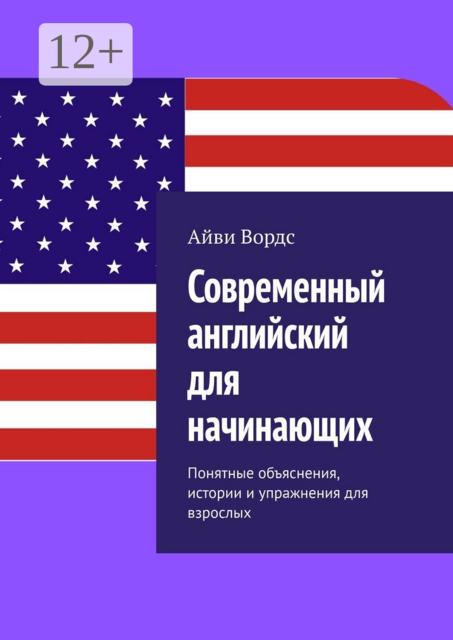
Современный английский для начинающих. Понятные объяснения, истории и упражнения для взрослых
Қосымшада ыңғайлырақҚосымшаны жүктеуге арналған QRRuStore · Samsung Galaxy Store
Huawei AppGallery · Xiaomi GetApps

автордың кітабын онлайн тегін оқу  Современный английский для начинающих. Понятные объяснения, истории и упражнения для взрослых

Айви Вордс

Современный английский для начинающих

Понятные объяснения, истории и упражнения для взрослых


12+

Оглавление

Предисловие

Дорогие читатели!


Данная книга предназначена для взрослых изучающих английский язык на начальном и среднем уровнях. Она предлагает систематический подход к изучению английской грамматики и лексики через практические тексты и упражнения. Основная цель книги — помочь читателю развить навыки понимания, использования и закрепления английского языка в повседневных ситуациях.


Каждая глава посвящена отдельной теме и грамматической конструкции. Материал представлен последовательно: объяснение грамматики на русском языке, примеры употребления с переводом, тематическая история на английском, подбор слов и выражений, упражнения с ответами. Такой подход позволяет не только усвоить правила, но и применять их на практике в контексте реальной жизни.


Особое внимание уделено повторению и закреплению материала. В историях грамматические конструкции используются несколько раз, что способствует формированию прочной языковой базы. Упражнения разнообразны: от заполнения пропусков до вопросов на личное выражение мнения. Это стимулирует активное использование языка и развивает навыки самостоятельного высказывания.


Я надеюсь, что эта книга станет полезным инструментом для самостоятельного изучения английского языка. Она подходит для систематической работы, а также для периодического повторения изученного материала. Моя цель как автора — предоставить читателю удобный и понятный ресурс, который поможет уверенно развивать языковые навыки.

A New Day Begins

Grammar Focus: Present Simple

Present Simple используется для описания регулярных действий, привычек, фактов и распорядка дня. Это одно из самых важных времён в английском языке, потому что с его помощью мы говорим о том, как обычно проходит жизнь.


Форма:


I / You / We / They + verb

I work every day. — Я работаю каждый день.


He / She / It + verb + -s / -es

She starts work at nine. — Она начинает работу в девять.


Отрицания и вопросы:


do / does + not

I do not drink coffee in the morning.


Do / Does + subject

Do you wake up early?


Советы и типичные ошибки:


Не забывайте -s в третьем лице единственного числа.


Present Simple не используется для действий «прямо сейчас».


Часто используется с наречиями: always, usually, often, sometimes, never.

Story

Every morning starts the same way for Alex. He wakes up early and opens the window. The city feels calm at this time. Alex drinks a glass of water and prepares a simple breakfast. He does not like heavy food in the morning, so he usually eats fruit and bread.


After breakfast, Alex checks his plan for the day. He works as a project manager, and his job requires clear thinking and organization. He starts work at nine and answers emails before meetings begin. Alex believes that a good morning creates a productive day.


He takes a short walk before work. This habit helps him focus and feel ready. Alex listens to music or thinks about his goals. He does not rush, because he values balance in life.


In the evening, Alex returns home and relaxes. He reads, cooks dinner, or spends time learning new skills. He goes to bed at a reasonable hour because he knows that tomorrow begins in the same way. For Alex, a simple routine supports a meaningful life.

Useful Words and Expressions

wake up — просыпаться


prepare breakfast — готовить завтрак


simple routine — простой распорядок


check a plan — проверять план


start work — начинать работу


answer emails — отвечать на письма


require organization — требовать организованности


believe — считать, полагать


create a productive day — создавать продуктивный день


take a short walk — совершать короткую прогулку


focus — концентрироваться


value balance — ценить баланс


return home — возвращаться домой


relax — отдыхать


learn new skills — изучать новые навыки


go to bed — ложиться спать


reasonable hour — разумное время


meaningful life — осмысленная жизнь

Exercises

Exercise 1. Insert the correct form of the verb (Present Simple).


Alex ___ (wake up) early every morning.


He ___ (not like) heavy food in the morning.


Alex ___ (start) work at nine.


He ___ (check) his plan for the day.


He ___ (go) to bed at a reasonable hour.


Exercise 2. Choose the correct option.


Alex usually

a) rushes in the morning

b) follows a simple routine

c) sleeps late


He believes that

a) mornings are stressful

b) work should start late

c) a good morning creates a productive day


In the evening, Alex

a) continues working

b) travels

c) relaxes at home


Exercise 3. Answer the questions (2–3 sentences).


What time do you usually wake up on weekdays?


What does your morning routine look like?


Do you check plans or tasks in the morning? Why or why not?


How do you usually relax in the evening?


Do you think a routine helps you live better? Why?

Answer Key

Exercise 1


wakes up


does not like


starts


checks


goes


Exercise 2


b


c


c


Exercise 3 (sample answers)


I usually wake up at seven in the morning. I prefer to start my day calmly and without rushing.


My morning routine includes breakfast and planning my tasks. It helps me feel organized.


Yes, I check my plans every morning. This helps me focus on important tasks.


In the evening, I usually relax at home. I read or watch something educational.


Yes, I think a routine supports a balanced life. It reduces stress and saves time.


Mini Tip


To remember Present Simple, think about habits and facts.

If the action happens again and again — this tense is usually the right choice.
My Daily Routine

Grammar Focus: Adverbs of Frequency

Adverbs of frequency показывают, как часто происходит действие. Они часто используются с Present Simple, когда мы говорим о привычках и распорядке дня.


Основные наречия частоты:


always — всегда


usually — обычно


often — часто


sometimes — иногда


rarely — редко


never — никогда


Позиция в предложении:


перед основным глаголом

I usually wake up at six. — Я обычно просыпаюсь в шесть.


после глагола to be

I am often tired in the evening. — Я часто устаю вечером.


Вопросы:


How often do you exercise? — Как часто ты занимаешься спортом?


Практические советы и типичные ошибки:


Не ставьте наречие частоты в конец предложения без необходимости.


Не используйте два наречия частоты в одном предложении.


Remember: never уже содержит отрицание.

Story

My daily routine is simple, but it keeps my life organized. I usually wake up at the same time every weekday. I never stay in bed too long, because I value a calm and active morning. After waking up, I often spend a few minutes thinking about the day ahead.


I always have breakfast at home. Sometimes I cook, and sometimes I choose something quick. I rarely skip breakfast, because it helps me stay focused. Before work, I usually review my tasks and priorities. This habit saves time and reduces stress.


During the day, I often work with different people and manage several responsibilities. I am sometimes tired in the afternoon, but I usually take a short break to reset my energy. I never ignore deadlines, because reliability is important to me.


In the evening, I usually slow down. I often read or listen to podcasts. Sometimes I meet friends, but I rarely go out late on workdays. I always prepare for the next day, because a clear routine helps me stay balanced and productive.

Useful Words and Expressions

daily routine — ежедневный распорядок


usually — обычно


never — никогда


often — часто


sometimes — иногда


rarely — редко


stay in bed — оставаться в постели


value — ценить


think about the day ahead — думать о предстоящем дне


skip breakfast — пропускать завтрак


stay focused — сохранять концентрацию


review tasks — просматривать задачи


reduce stress — снижать стресс


responsibilities — обязанности


take a short break — сделать короткий перерыв


ignore deadlines — игнорировать сроки


slow down — замедляться, расслабляться


prepare for the next day — готовиться к следующему дню

Exercises

Exercise 1. Insert the correct adverb of frequency.


(always / usually / often / sometimes / rarely / never)


I ___ wake up at the same time on weekdays.


I ___ skip breakfast because I feel better when I eat.


I ___ take short breaks during the day.


I ___ go out late on workdays.


I ___ prepare for the next day in the evening.


Exercise 2. Choose the correct option.


Adverbs of frequency are used to talk about

a) future plans

b) how often something happens

c) past events


In the sentence «I usually work from home,» the adverb

a) comes after the verb

b) comes before the verb

c) comes at the end


The word «never»

a) needs «not»

b) is used only in questions

c) already has a negative meaning


Exercise 3. Answer the questions (2–3 sentences).


How often do you wake up at the same time on weekdays?


What do you usually do in the morning before work?


Do you often take breaks during the day? Why or why not?


How do you usually relax in the evening?


What habits help you stay organized?

Answer Key

Exercise 1


usually


never


often


rarely


always


Exercise 2


b


b


c


Exercise 3 (sample answers)


I usually wake up at the same time every weekday. This helps me keep a stable routine.


I usually have breakfast and review my tasks. It helps me start the day calmly.


Yes, I often take short breaks. They help me stay focused and productive.


In the evening, I usually relax at home. I read or listen to educational content.


Planning and preparing for the next day help me stay organized. These habits reduce stress.


Mini Tip


Learn adverbs of frequency as a scale:

always → usually → often → sometimes → rarely → never.

This makes them easier to remember and use correctly.

People Around Me

Grammar Focus: to be and Personal Descriptions

Глагол to be используется для описания людей, их качеств, состояний и характеристик. Он не требует вспомогательных глаголов в вопросах и отрицаниях и часто применяется при знакомстве и рассказе о людях вокруг нас.


Формы глагола to be (Present Simple):


I am


You / We / They are


He / She / It is


Примеры:


I am calm and organized. — Я спокойный и организованный.


She is very professional. — Она очень профессиональна.


They are supportive people. — Они поддерживающие люди.


Отрицание:


I am not tired.


He is not impatient.


Вопросы:


Are you confident at work?


Is she friendly?


Практические советы и типичные ошибки:


Не пропускайте глагол to be — в английском он обязателен.


Не используйте do / does с глаголом to be.


При описании личности часто используются прилагательные, а не существительные.

Story

People around me influence my daily life more than I sometimes realize. At work, I am part of a small team. My manager is experienced and calm, and my colleagues are reliable and open-minded. We are different, but we share similar values. This makes cooperation easier.


Outside of work, my friends are an important part of my life. Some of them are very energetic, while others are more thoughtful. I am usually comfortable with both types of people. I believe that diversity helps us grow and understand different perspectives.


My family is supportive, even though we are not always close physically. We are honest with each other, and we are patient when problems appear. This creates trust and stability.


I am also aware of how I describe myself. I am responsible and curious, but I am not perfect. I am sometimes impatient, especially when I feel pressure. However, I am learning to be more balanced.


The people around me shape my habits, my attitude, and my choices. Because of them, I am more aware of who I am and who I want to become.

Useful Words and Expressions

people around me — люди вокруг меня


influence — влиять


experienced — опытный


reliable — надёжный


open-minded — открытый к новому


share values — разделять ценности


cooperation — сотрудничество


energetic — энергичный


thoughtful — вдумчивый


supportive — поддерживающий


aware — осознающий


responsible — ответственный


curious — любознательный


impatient — нетерпеливый


pressure — давление


balanced — уравновешенный


attitude — отношение


shape choices — формировать выбор

Exercises

Exercise 1. Insert the correct form of to be.


My colleagues ___ reliable and professional.


I ___ not always patient under pressure.


My manager ___ calm and experienced.


We ___ different, but we work well together.


___ you comfortable working with different people?


Exercise 2. Choose the correct option.


The verb to be is used to

a) describe actions

b) describe people and states

c) talk about the future


In the sentence «She is open-minded,» the word open-minded is

a) a verb

b) a noun

c) an adjective


Which sentence is correct?

a) She very professional.

b) She is very professional.

c) She does very professional.


Exercise 3. Answer the questions (2–3 sentences).


How would you describe the people you work or live with?


What qualities do you value most in people around you?


How would you describe yourself as a person?


Are you patient or impatient in stressful situations? Why?


Do people around you influence your decisions? How?

Answer Key

Exercise 1


are


am


is


are


Are


Exercise 2


b


c


b


Exercise 3 (sample answers)


The people I work with are professional and supportive. They help create a positive environment.


I value honesty and reliability. These qualities build trust.


I am responsible and curious. I try to improve myself regularly.


I am sometimes impatient under stress. I am learning to manage pressure better.


Yes, people around me influence my decisions. Their opinions help me see different perspectives.


Mini Tip


When describing people, remember:

English needs the verb to be.

No verb — no correct sentence.

Where I Live

Grammar Focus: there is / there are

Конструкция there is / there are используется, чтобы говорить о наличии предметов, людей или мест. Мы применяем её, когда описываем пространство: дом, квартиру, район, город, офис.


Форма:


There is + существительное в единственном числе

There is a park near my house. — Рядом с моим домом есть парк.


There are + существительное во множественном числе

There are many shops in this area. — В этом районе много магазинов.


Отрицание:


There is not a gym nearby.


There are not many restaurants here.


Вопросы:


Is there a café near your home?

...