автордың кітабын онлайн тегін оқу Илья Франк методымен жазылған Робинзон Крузо
Мирас Кесебаев
Илья Франк әдісімен ағылшын тілін үйрену. Робинзон Крузо.
Алматы, 2022.
УДК 811.111
ББК 81.2Ағыл
К32
Мирас Кесебаев
К 32 Илья Франк әдісімен ағылшын тілін үйрену.
Робинзон Крузо. – Алматы: «Самға» баспасы, 2022.
– 272 б.
ISBN 978-601-7629-90-8
Бұл — ағылшын тілін үйренудің озық әдісінің бірі - Илья Франк әдісімен жазылған қазақша алғашқы кітап. Осы әдіс үшін арнайы Робинзон Крузо кітабы таңдалған. Себебі кітаптың оқиға желісі қызық, ағылшын тілін үйренушіні жалықтырмайды. Басты ерекшелігі - ешқандай сөздік қолданбай, жаттамай-ақ, айына 1000 жаңа сөз жаттап алуға көмектеседі.
Кітап кез келген жастағы оқырманға арналады.
УДК 811.111
ББК 81.2Ағыл
ISBN 978-601-7629-90-8
© М. Кесебаев, 2022
© «Самға» баспасы, 2022
Барлық құқықтары қорғалған.
Кітапты қалай оқу керек?
Илья Франк методы үшін арнайы Робинзон Крузо кітабы таңдалды. Себебі бұл кітап оқушыны жалықтырмайды, оқиғасы қызық, тілі жеңіл. Ағылшын тілін үйренушіге оқу, үйрену процесі қызық болса, нәтижесі де тез көрінеді. Кітап 49 тақырыптан тұрады. Әр тақырыптың бірінші бөлімінде мәтін аудармасымен қатар беріледі. Ешқандай сөздік қолданбай мәтінді оқу керек. Мәтіннің соңында кейбір оқылуы қиын сөздердің транскрипциясы берілген. Сосын мәтін түпнұсқада, яғни, тек ағылшынша беріледі. Оны да оқу керек. Себебі аудармасымен оқып түсінген ағылшынша сөздер тағы да қайталанады. Күніне 2 тақырыптан оқысаңыз, бір айда кітапты бітіріп шығасыз.
Сөздер жиі қайталану арқылы миға сақтала береді. Былайша айтқанда, сөздікті арнайы жаттамай-ақ «жаттап аласыз». Ағылшын тілін үйренбей «үйренесіз».
Илья Франк методының артықшылығы:
1) Айына кемінде 1000 жаңа сөз үйрене аласың
2) Сөйлем құрылысын тез үйреніп аласың
3) Ешқандай мұғалім керек емес
4) Сөздік іздеп отырмайсың
5) Тіл үйренуден жалықпайсың
6) Сөздің дұрыс оқылуын білмесең, аудиосын қосып, ілесіп отырсаң болғаны.
7) Әр тақырыптың соңында қиын сөздердің дұрыс оқылуы, транскрипциясы бар.
8) Әйтеуір ағылшын тілін білу деңгейің өсе береді, өсе береді.
1. I wish to be a sailor
(мен теңізші болғым келеді)
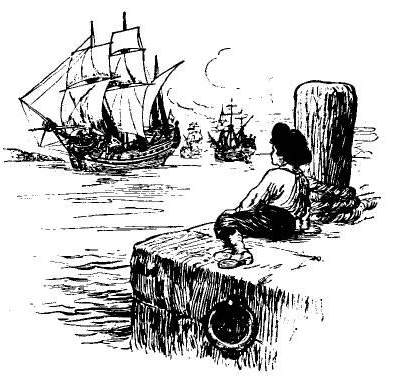
MY name (менің атым) is Robinson Crusoe. I was born in the old city of York (Йорк деген ескі қалада дүниеге келдім), where there is a broad river (үлкен өзен бар; there is/are — бар), with ships coming and going (кемелер келіп, кетіп жатады).
When I was a little boy (кішкентай бала кезімде), I spent much of my time (көп уақытымды өткіздім) looking (қарап) at the river. How pleasant was the quiet stream (тынық ағыстар қандай әдемі), flowing (ағып жатқан; to flow — ағу), always flowing, toward the far-away sea (алыстағы теңізге қарай)!
I liked to watch (тамашалау) the ships as they came in (олардың келгенін) with their white sails (ақ желкендерімен) spread to the wind (желмен керілген).
I liked to think of the strange lands (бөтен жерлер туралы ойлау) which they must have visited (олар барған), and of the many wonderful things (ғажап нәрселер) they must have passed (олар бастан өткерген).
I wished to be a sailor. I thought how grand it must be to sail and sail (мен желкенмен жүзу деген қандай керемет деп ойлайтынмын) on the wide blue sea (шет-шегі жоқ көк теңізде), with the sky above (үстінде) and the waves beneath (толқындар төменде). Nothing could be pleasanter (бұдан ғажап нәрсе болмас).
My father wanted me to learn a trade (менің сауда жасауды үйренгенімді қалады). But I could not bear the thought of it (ойлағым да келмейтін). I could not bear the thought of working every day in a dusty shop (шаң басқан дүкенде күн сайын жұмыс істеу туралы ой).
I did not wish to stay in York all my life (күллі өмірімді). I wanted to see the world (әлемді көру). I would be a sailor and nothing else (теңізшіден басқа ешкім болғым келмеді).
My mother was very sad (көңіл-күйі түсу) when I told her. A sailor’s life, she said, was a hard life (ауыр өмір). There were many storms (дауылдар) at sea, and ships were often wrecked (кемелер көбіне қирайтын; wreck — қирау). She told me, too, that there were great fishes (алып балықтар) in the sea, and that they would eat me up if I fell into the water (егер суға құласам, мені жеп қояды). Then she gave me a cake (маған торт берді), and kissed (сүйді) me. “How much safer (барынша қауіпсіз) it is to be at home!” she said.
But I would not listen (оны тыңдамадым) to her. My mind was made up (мен шешім қабылдап қойдым; to make up one’s mind — шешім қабылдау), and a sailor I would be (теңізші боламын).
When I was eighteen years old (жасым 18-ге толғанда), I left my pleasant home and went to sea (жайлы үйімді тастап, теңізге кеттім).
frighten [fraitn] dusty [dΛsti] pleasant [pleznt]
1. I wish to be a sailor
MY name is Robinson Crusoe. I was born in the old city of York, where there is a broad river, with ships coming and going.
When I was a little boy, I spent much of my time looking at the river. How pleasant was the quiet stream, flowing, always flowing, toward the far-away sea! I liked to watch the ships as they came in with their white sails spread to the wind.
I liked to think of the strange lands which they must have visited, and of the many wonderful things they must have passed.
I wished to be a sailor. I thought how grand it must be to sail and sail on the wide blue sea, with the sky above and the waves beneath. Nothing could be pleasanter.
My father wanted me to learn a trade. But I could not bear the thought of it. I could not bear the thought of working every day in a dusty shop.
I did not wish to stay in York all my life. I wanted to see the world. I would be a sailor and nothing else.
My mother was very sad when I told her. A sailor’s life, she said, was a hard life.
There were many storms at sea, and ships were often wrecked.
She told me, too, that there were great fishes in the sea, and that they would eat me up if I fell into the water.
Then she gave me a cake, and kissed me. “How much safer it is to be at home!” she said.
But I would not listen to her. My mind was made up, and a sailor I would be.
When I was eighteen years old, I left my pleasant home and went to sea.
|
2. I make my first voyage
(мен алғашқы сапарыма шығамын/жасаймын; make - жасау)
I SOON found (көп ұзамай таптым; to find — табу) that my mother’s words were true (анамның сөздері рас екенін). A sailor’s life is indeed (теңізшінің өмірі шынында да) a hard life (қиын өмір).
There was no time for play on board of our ship (кеме бортында ойнауға уақыт жоқ). Even in the fairest weather (ең жақсы ауа райында) there was much work to be done (көп жұмыс бітіру керек).
On the very first night (алғашқы түні) the wind began to blow (жел соға бастады). The waves rolled high (толқындар үлкен боп биіктеді). The ship was tossed this way and that (олай бір, бұлай бір лақтырды; to toss — лақтыру). Never had I seen such a storm (мұндай дауылды ешқашан көрмеппін).
All night long the wind blew (түні бойы жел соқты). I was so badly frightened (қатты қорықтым) that I did not know what to do (не істерімді білмедім). I thought the ship would surely go to the bottom (кеме су түбіне кетеді).
Then I remembered (еске түсірдім) my pleasant home and the words of my kind mother (аяулы анашымның сөздері). “If I live to reach dry land (құрғақ жерге жеткенше өмір сүрсем),” I said to myself, “I will give up this thought of being a sailor (теңізші болам деген ойымнан айнимын). I will go home and stay with my father and mother. I will never set my foot in another ship (басқа кемеге аяқ аттап баспаймын).”
Day came (күн шықты). The storm was worse than before (алдыңғыдан бетер жаман). I felt sure (айқын сезіндім) that we were lost (біз адастық). But toward evening (кешке жақын) the sky began to clear (аспан ашыла бастады). The wind died away (жел басылды). The waves went down (тынышталды). The storm was over (бітті; to be over — біту).
The next morning the sun rose bright (күн шайдай ашық) and warm upon a smooth sea (теп-тегіс теңіз беті жып-жылы). It was a beautiful sight (әдемі көрініс).
As I stood (тұрған кезімде) looking out over the wide water (кең байтақ суға қарап), the first mate (капитанның бірінші көмекшісі) came up (келді). He was a kind man, and always friendly to me (жылы шырайлы).
“Well (ал), Bob,” he said, “how do you like it (саған ұнап жатыр ма)? Were you frightened by that little gale (кішігірім дауылдан қорыққан жоқсың ба)?”
“I hope (үміттенемін) you don’t call it a little gale,” I said. “Indeed it was a terrible storm (ол өте қорқынышты дауыл болды).”
The mate laughed (күлді).
“Do you call that a storm (соны да дауыл деуге бола ма екен)?” he asked (сұрады).
“Why, it was nothing at all (ол ештеңе емес). You are only a fresh-water sailor (тәжірибең жоқ теңізшісің), Bob. Wait till we have a real storm (нағыз дауылға ұрынғанша күте тұр).”
And so I soon forgot my fears (мен артынша қорқыныштарымды ұмытып кеттім). Little by little (аз-аздан), I gave up all thoughts of going home again (үйге қайтам деген ойымнан айныдым). “A sailor’s life for me (теңізші өмірі маған арналған),” I said.
My first voyage (саяхат) was not a long one (ұзақ емес). I visited no new lands (жаңа жерлерге бармадым), for the ship (өйткені кеме) went only to London. But the things which I saw in that great city (алып қалада) seemed very wonderful to me (мені таңғалдырды).
Nothing would satisfy me but to make a long voyage (ұзақ саяхатқа шығудан басқа ешнәрсе мені қанағаттандырмады). I wished to see the whole world (бүкіл әлем).
fear [fiə] sailor [seilə] weather [weðə]
2. I MAKE MY FIRST VOYAGE
I SOON found that my mother’s words were true. A sailor’s life is indeed a hard life. There was no time for play on board of our ship. Even in the fairest weather there was much work to be done.
On the very first night the wind began to blow. The waves rolled high. The ship was tossed this way and that. Never had I seen such a storm.
All night long the wind blew. I was so badly frightened that I did not know what to do. I thought the ship would surely go to the bottom.
Then I remembered my pleasant home and the words of my kind mother. “If I live to reach dry land,” I said to myself, “I will give up this thought of being a sailor. I will go home and stay with my father and mother. I will never set my foot in another ship.”
Day came. The storm was worse than before. I felt sure that we were lost. But toward evening the sky began to clear. The wind died away. The waves went down. The storm was over.
The next morning the sun rose bright and warm upon a smooth sea. It was a beautiful sight. As I stood looking out over the wide water, the first mate came up. He was a kind man, and always friendly to me.
“Well, Bob,” he said, “how do you like it? Were you frightened by that little gale?”
“I hope you don’t call it a little gale,” I said. “Indeed it was a terrible storm.”
The mate laughed.
“Do you call that a storm?” he asked. “Why, it was nothing at all. You are only a fresh-water sailor, Bob. Wait till we have a real storm.”
And so I soon forgot my fears. Little by little, I gave up all thoughts of going home again. “A sailor’s life for me,” I said.
My first voyage was not a long one. I visited no new lands, for the ship went only to London. But the things which I saw in that great city seemed very wonderful to me.
Nothing would satisfy me but to make a long voyage. I wished to see the whole world.
3. I see much of the world
(әлемнің көп бөлігін көремін)
IT was easy to find (табу оңай) a ship to my liking (маған ұнайтын); for all kinds of trading vessels (сауда кемелерінің барлық түрі) go out from London to every country that is known (Лондоннан әрбір белгілі елге барады).
One day I met an old sea captain (кәрі теңіз капитаны) who had been often to the coast of Africa (Африка жағалауында жиі болған). He was pleased with my talk (менің әңгімемді ұнатты). “If you want to see the world (егер сен әлемді көргің келсе),” he said, “you must sail (теңізге шығу) with me.” And then he told me that he was going again (тағы жүруге дайындалды) to Africa, to trade with the black people there (қара нәсілді адамдарды саудалауға). He would carry out a load of cheap trinkets (ол арзан әшекей бұйымдарын жүктеп) to exchange (айырбас) for gold dust and feathers (алтын қоқымдары және қауырсын) and other rare and curious things (басқа да сирек кездесетін және қызықты заттар).
I was very glad to go with him (онымен бірге кетуге риза едім). I would see strange lands (бөтен елдер) and savage people (жабайы адамдар). I would have many a stirring adventure (бас айналдыратындай қызықты саяхат).
Before ten days had passed (10 күн өтем дегенше), we were out on the great ocean (алып мұхит). Our ship was headed toward the south (оңтүстікке қарай бағытталған).
The captain was very kind to me (ақкөңіл). He taught (үйретті; to teach — үйрету) me much that every sailor ought to know (әрбір теңізші білуі керек нәрсені). He showed me (көрсетті) how to steer (рульді басқару) and manage the vessel (және кемені басқару). He told me about the tides (судың көтерілуі мен қайтуы) and the compass (компас) and how to reckon the ship’s course (кеменің бағытын есептеуді).
The voyage (саяхат) was a pleasant one (ұнамды), and I saw more wonderful things (көптеген ғажап нәрсені) than I can name (мен атап шыға алатыннан басқа).
When, at last, we sailed back to London (ақыры біз Лондонға қайта оралғанда), we had gold enough (жеткілікті алтын) to make a poor man rich (кедейді бай қылатын).
I had nearly six pounds (шамамен 6 фунт) of the yellow dust (сары қоқым) for my own share (менің жекеменшік үлесім ретінде).
I had learned to be a trader (саудагер болуды үйрендім) as well as a sailor (теңізші болуды да).
It would take too long (созылып кетер еді) to tell you of all my voyages. Some of them were happy and successful (бақытты әрі табысты); but the most (көпшілігі) were unpleasant and full of disappointment (жағымсыз және түңілуге толы).
Sometimes (кейде) I went to Africa, sometimes to the new land of South America (Оңтүстік Американың жаңа жерлері). But wherever (қайда) I sailed I found the life of a sailor by no means easy (теңізшінің өмірі оңай емес екенін білдім).
I did not care so much now (ол жағын қатты уайымдамадым) to see strange sights (біртүрлі көріністер) and visit unknown shores (және белгісіз жағалауларға бару).
I cared more for the money or goods (ақша немесе тауар) that I would get by trading (саудаласып табу).
At last a sudden end (ақыр соңында мен күтпеген оқиға) was put to all my sailing (менің теңіздегі барлық саяхатыма; to sail — теңізде саяхаттау). And it is of this (осы жайлы) that I will now tell you (сендерге баяндап беремін).
adventure [əd’ventʃə ] savage [‘sævidʒ] voyage [‘voiidʒ]
3. I SEE MUCH OF THE WORLD
IT was easy to find a ship to my liking; for all kinds of trading vessels go out from London to every country that is known.
One day I met an old sea captain who had been often to the coast of Africa. He was pleased with my talk. “If you want to see the world,” he said, “you must sail with me.” And then he told me that he was going again to Africa, to trade with the black people there. He would carry out a load of cheap trinkets to exchange for gold dust and feathers and other rare and curious things.
I was very glad to go with him. I would see strange lands and savage people. I would have many a stirring adventure.
Before ten days had passed, we were out on the great ocean. Our ship was headed toward the south.
The captain was very kind to me. He taught me much that every sailor ought to know. He showed me how to steer and manage the vessel. He told me about the tides and the compass and how to reckon the ship’s course.
The voyage was a pleasant one, and I saw more wonderful things than I can name. When, at last, we sailed back to London, we had gold enough to make a poor man rich.
I had nearly six pounds of the yellow dust for my own share. I had learned to be a trader as well as a sailor.
It would take too long to tell you of all my voyages. Some of them were happy and successful; but the most were unpleasant and full of disappointment. Sometimes I went to Africa, sometimes to the new land of South America. But wherever I sailed I found the life of a sailor by no means easy.
I did not care so much now to see strange sights and visit unknown shores. I cared more for the money or goods that I would get by trading. At last a sudden end was put to all my sailing. And it is of this that I will now tell you.
4. I undertake a new venture
(мен жаңа кәсіппен айналысамын)
I HAD grown (қалыптастым) very tired of being a sailor (теңізші болудан шаршадым). I was so tired of it that I made up my mind to try something else (басқа нәрседе бағымды сынап көрмекке шешім қабылдадым).
It happened that I was then in Brazil (Бразилияда болған кезімде орын алды). I bought some land (бірнеше жер телімін сатып алдым) there and began to open a plantation (плантация ашып бастадым). The ground was rich (жер құнарлы еді), and it would be easy to raise tobacco and sugar cane (темекі және қант құрағын өсіру оңай болар еді).
But I needed many things (маған көп зат қажет еді). I must have plows and hoes and a sugar mill (менде соқа мен кетпен және қант диірмені болуға тиіс еді).
Above all (оған қоса) I must have men (адамдар) to do the work on the plantation (плантацияның жұмысын атқаратын).
But neither men nor tools (ешбір адамды да, құралды да) could I get in Brazil (Бразилияда таба алмадым).
I sent (жібердім) to London for the tools. I tried to buy some slaves (құлдарды сатып алуға тырыстым) of the planters near me (маған жақын орналасқан плантаторлардан), but they had not enough for themselves (олардың өздеріне жетпейтін еді).
“We will tell you what to do (саған не істеу керектігін айтамыз),” they said. “We will fit out (жабдықтаймыз) a trading vessel (сауда кемесі) for Africa. We will put aboard of it (бортқа тиейміз) everything that you need (саған керектінің бәрін). As for your part (саған қатысты жағы), you shall be the manager (басқарушы) of the business; and you shall do the trading for us (біздің орнымызға саудамен айналысасың). You need not put in a penny of your own (өз қалтаңнан бір тиын да шығармайсың).”
“But how is that going to help me (бұл маған қалай көмектеспек)?” I asked.
“Listen (тыңда), and we will tell you,” they said. “With the goods which we send (біз жіберген тауарларды), you will buy as many black slaves as the ship will hold (кемеге сыйғанша толтырып қара құлдарды сатып аласың). You will bring them here (алып келесің), and we will divide them equally (теңдей бөлісеміз).
You shall share with us (бөлісесің), just as though you had paid the money (ақша төлеген сияқты).”
The plan pleased me very much (қатты ұнады). I figured that each one of us would have thirty or forty slaves (есебім бойынша әрбірімізге 30 не 40 құлдан тиеді).
It was very foolish of me (менің тарапымнан ақымақтық) to go to sea again; but the offer (ұсыныс) was so good that I could not say No (“жоқ” дей алмадым).
The ship was soon fitted out (сақадай сай) for the voyage. Her load was not very heavy (жүк ауыр болмады). But there were plenty of goods (тауар көп болды) such as were most fit for trade (сатуға көбірек жарайтын).
There were boxes of red and blue beads (қызыл және көк бисер салынған жәшіктер), of bits of glass (шыны бөлшектері), and of other trinkets (әшекейлер). There were also knives (пышақтар) and hatchets (қолбалта) and little looking-glasses (кішкентай айналар).
We reckoned (есептедік) that each one of these (бұлардың әрбірі) would buy a slave (құл сатып алуға жетеді).
The ship was to carry (алып жүруге тиісті) fourteen men besides (одан бөлек) the captain and myself (капитан және мен). She (ол, яғни кеме) was as fine a little vessel (жақсы шағын кеме) as ever sailed from the coast of Brazil (Бразилияның жағалауынан ашық теңізге шығып жүрген).
sugar [ʃugə] successful [sΛk’sesful] kind [kaind]
4. I UNDERTAKE A NEW VENTURE
I HAD grown very tired of being a sailor. I was so tired of it that I made up my mind to try something else. It happened that I was then in Brazil. I bought some land there and began to open a plantation. The ground was rich, and it would be easy to raise tobacco and sugar cane. But I needed many things. I must have plows and hoes and a sugar mill. Above all I must have men to do the work on the plantation. But neither men nor tools could I get in Brazil.
I sent to London for the tools. I tried to buy some slaves of the planters near me, but they had not enough for themselves.
“We will tell you what to do,” they said. “We will fit out a trading vessel for Africa. We will put aboard of it everything that you need. As for your part, you shall be the manager of the business; and you shall do the trading for us. You need not put in a penny of your own.”
“But how is that going to help me?” I asked.
“Listen, and we will tell you,” they said. “With the goods which we send, you will buy as man black slaves as the ship will hold. You will bring them here, and we will divide them equally. You shall share with us, just as though you had paid the money.”
The plan pleased me very much. I figured that each one of us would have thirty or forty slaves. It was very foolish of me to go to sea again; but the offer was so good that I could not say No.
The ship was soon fitted out for the voyage. Her load was not very heavy. But there were plenty of goods such as were most fit for trade. There were boxes of red and blue beads, of bits of glass, and of other trinkets.
There were also knives and hatchets and little looking-glasses. We reckoned that each one of these would buy a slave. The ship was to carry fourteen men besides the captain and myself. She was as fine a little vessel as ever sailed from the coast of Brazil.
5. I AM SHIPWRECKED
(мен кеме апатына тап болдым;
to be shipwrecked — кеме апатына ұшырау)
AT length (әйтеуір) all things were ready for the voyage (саяхатқа қажетті барлық зат дайын болды), and I went on board the ship (бортқа көтерілу).
It was just eight years (сегіз жыл болды) to the day (сол күннен бері) since I had left (кеткелі бері; to leave — кету, тастап шығу) my father and mother and my pleasant home in good old York (жақсы ескі Йорктегі әдемі үйім).
I felt (сезіндім) that I was doing a foolish thing (ақымақ іс); but I did not dare to say so (олай айтуға дәтім бармады; to dare to do smth — бірнәрсе істеуге дәті бару).
The wind was fair (қума жел болды). The sails were spread (желкендер керілген). Soon (көп өтпей) we were out to sea.
For several days (бірнеше күн бойы) the weather was fine (ауа райы жақсы болды). The ship sped swiftly (жылдам жүзді; to speed — жылдамдату) on her way, and every one was happy and hopeful (барлығы бақытты әрі үмітке толы еді).
Then a great storm (үлкен дауыл) came up from the southeast (оңтүстік-шығыстан). I had seen many fierce storms (сұмдық дауылдарды), but never one so terrible as this (бірақ дәл осы сияқты қорқыныштысына тап болмаппын).
We could do nothing (ештеңе істей алмадық) but let the ship drive before the wind (кемені желге қарсы еркіне жіберуден басқа). Day after day we were tossed by the waves (толқындар бізді лақтырды); and day after day we expected the ship to go down (кеме су түбіне кетеді деп күттік).
The storm grew fiercer and fiercer (қаһарлана). The men gave themselves up for lost (өздерін құрыдық деп үмітін жоғалтты; to give smb. up for lost — Біреуді өлдіге санау).
But on the twelfth day (он екінші) the wind went down (жел басылды). The waves were not so strong (толқындар қатты күшті болмады). We began to hope for our lives (өмірге деген үмітіміз оянды).
Early the next morning a sailor cried out (келесі күні таңертең ерте), “Land (жер)! Land!”
I ran out of the cabin (кабинадан атып шықтым) to look. But at that very moment the ship struck upon (соғылу) a great bank of sand (құмның үлкен жалы) over which the fierce sea was rolling (үстінде кәрлі теңіз ағып жатыр).
She stopped short (кеме бірден тоқтады). She could not move (орнынан қозғалмады). The great waves dashed over her deck (үлкен толқындар палубаға аға бастады; to dash — соғу; шылпылдау). All of us would have been washed overboard (бәрімізді сыртқа қарай ағызып әкетер еді) if we had not hurried back to the cabin (егер асығып кабинаға қайта кіріп кетпесек).
“What shall we do?” cried the men.
“We can do nothing (ештеңе),” said the captain. “Our voyage is at an end (саяхатымыз аяқталды), and there is no longer (енді жоқ) any hope for our lives (өмірге деген үміт жоқ). We can only wait for the ship to break in pieces (кеме быт-шыты шығып қирағанын күтуден басқа амал жоқ).”
“Yes, there is one chance (мүмкіндік) for our lives.” cried the mate. “Follow me (соңымнан еріңдер)!”
In the lull of the storm (дауылдың уақытша басылған кезінде) we rushed (ентелеу) again to the deck. One of our boats was still there (қайықтардың бірі әлі тұр екен).
We slung her over the ship’s side (оны кеменің жанына түсіріп тастадық; to sling — тастау; белдікпен түсіру). We jumped aboard of her (бортқа секіріп міндік). We cut her loose (арқанды кесіп оны босаттық; loose — еркін, байланбаған), and floated away upon the wild sea (асау теңізге қарай қалқып кеттік; to float — қалқып ағу).
No boat could live in such a sea as that (ешқандай қайық мұндай теңіз жағдайында жүзе алмас еді). But we saw land ahead of us (алдымыздан жерді көрдік); and perhaps some of us might be cast alive (жағаға тірі жету) upon the beach (жағалауға; beach — жағалау).
This was our only hope (жалғыз үміт). The raging waves (сұрапыл толқындар) carried us nearer and nearer to the shore (жағалауға жақындата берді).
We could see the breakers (теңіздің жағаға соққан толқыны) dashing upon the great rocks (биік жартасқа соғып жатқан). The land looked more frightful than the sea (жер теңізден бетер қорқынышты көрінді).
Then all at once (сосын аяқ астынан; at once — бірден), a huge wave overset the boat (үлкен толқын қайықты аударып жіберді). We had no time to speak or think (сөйлесуге немесе ойлануға уақыт болмады). We were thrown out into the raging sea (үздіксіз соққан теңізге лақтырып жіберді). We were swallowed up by the waves (толқындар жұта бастады).
business [biznis] slave [sleiv] neither [naiðə]
5. I AM SHIPWRECKED
AT length all things were ready for the voyage, and I went on board the ship.
It was just eight years to the day since I had left my father and mother and my pleasant home in good old York. I felt that I was doing a foolish thing; but I did not dare to say so. The wind was fair. The sails were spread. Soon we were out to sea.
For several days the weather was fine. The ship sped swiftly on her way, and every one was happy and hopeful.
Then a great storm came up from the southeast. I had seen many a fierce storm, but never one so terrible as this.
We could do nothing but let the ship drive before the wind. Day after day we were tossed by the waves; and day after day we expected the ship to go down. The storm grew fiercer and fiercer. The men gave themselves up as lost. But on the twelfth day the wind went down. The waves were not so strong. We began to hope for our lives.
Early the next morning a sailor cried out, “Land! land!” I ran out of the cabin to look. But at that very moment the ship struck upon a great bank of sand over which the fierce sea was rolling.
She stopped short. She could not move. The great waves dashed over her deck. All of us would have been washed overboard if we had not hurried back to the cabin.
“What shall we do?” cried the men. “We can do nothing,” said the captain. “Our voyage is at an end, and there is no longer any hope for our lives. We can only wait for the ship to break in pieces.”
“Yes, there is one chance for our lives.” cried the mate. “Follow me!” In the lull of the storm we rushed again to the deck. One of our boats was still there.
We slung her over the ship’s side. We jumped aboard of her. We cut her loose, and floated away upon the wild sea.
No boat could live in such a sea as that. But we saw land ahead of us; and perhaps some of us might be cast alive upon the beach. This was our only hope. The raging waves carried us nearer and nearer to the shore.
We could see the breakers dashing upon the great rocks. The land looked more frightful than the sea.
Then all at once, a huge wave overset the boat. We had no time to speak or think. We were thrown out into the raging sea. We were swallowed up by the waves.